

By: Ephraim Success
International travel has always been an exciting opportunity to explore new cultures, discover unfamiliar destinations and create unforgettable experiences. However, in 2026, getting to a destination is becoming increasingly complicated for many travellers.
Beyond the rising cost of flights and accommodation, visa restrictions, immigration requirements, travel bans and geopolitical tensions are influencing where people travel and, in some cases, whether they travel at all.
Recent findings from the International Air Transport Association (IATA) have brought this challenge into sharper focus. According to its newly released 2026 Global Passenger Survey, immigration requirements discouraged 43% of passengers from visiting a particular destination, compared with 33% in 2025.
This represents a significant increase and highlights an important reality: sometimes, the biggest obstacle to travelling is not the cost of the journey but the difficulty of gaining permission to enter another country.
The Numbers Behind the Growing Travel Restrictions
Released on October 28, 2026, IATA’s Global Passenger Survey provides valuable insight into changing passenger behaviour and expectations. The survey gathered more than 10,000 responses from over 200 countries.
One of its most important findings concerns the growing influence of immigration requirements on travel decisions.
Among passengers discouraged from visiting destinations because of immigration requirements:
- 53% identified the complexity of the process as their primary concern.
- 17% cited privacy concerns.
- 17% identified the cost of immigration procedures as a major obstacle.
These findings suggest that travellers are not necessarily losing interest in international destinations. Rather, the procedures involved in gaining entry are making some journeys less attractive.
For someone planning a holiday, the prospect of extensive documentation, uncertain approval timelines, expensive application procedures and the possibility of visa rejection can be enough to reconsider an entire trip.
Africa Faces a Bigger Immigration Challenge
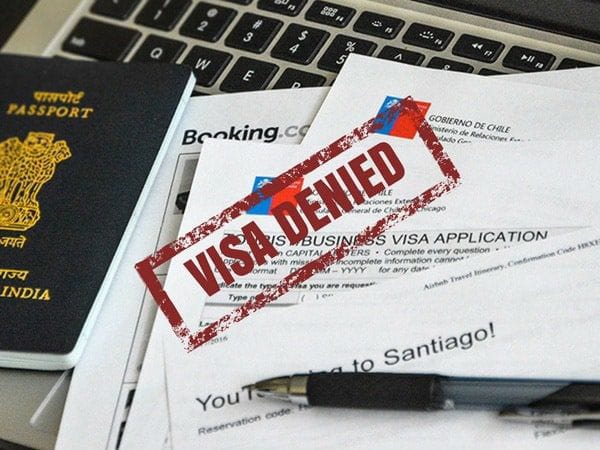
Perhaps one of the most striking findings in the report concerns African travellers.
According to IATA, 52% of African passengers surveyed said immigration requirements had discouraged them from visiting a destination. This is considerably higher than the global average of 43%, making Africa the region with the highest reported proportion.
The finding highlights the challenges African travellers continue to face when navigating international borders. Visa costs, complex documentation requirements and uncertainty surrounding approval processes can make international travel particularly difficult.
For Nigerian travellers, these challenges are especially relevant when considering popular destinations in Europe, North America and other parts of the world where entry requirements can involve extensive documentation and additional financial commitments.
It is important to distinguish between individual visa application requirements and formal travel bans. Not every difficult visa process represents a ban on citizens of a particular country. Nevertheless, both restrictive entry policies and complicated application procedures can affect travel decisions.
For Africa’s tourism industry, the implications extend beyond individual travellers. When potential visitors abandon their travel plans, airlines, hotels, tour operators and destination businesses can all lose revenue.
Travel Bans and Geopolitical Tensions: Another Factor to Consider
Visa restrictions are not the only issue shaping international travel in 2026. Geopolitical tensions and security concerns are also influencing destination choices.
IATA’s survey found that among passengers discouraged from travelling to a particular destination because of geopolitical conflict, 72% identified safety as their main concern, while 13% cited uncertainty about whether travelling to that destination would even be possible.
This demonstrates how quickly international circumstances can influence travel decisions.
Countries experiencing political instability, armed conflicts or diplomatic disagreements may introduce additional entry restrictions, change immigration procedures or experience disruptions to international flight operations.
For travellers, this means that checking visa eligibility alone is no longer sufficient. Understanding the security situation, entry conditions and possible travel disruptions has become an important part of international travel planning.
Is Technology Making International Travel Easier?
Interestingly, while immigration procedures are becoming a significant travel barrier, IATA’s findings also reveal that travellers are increasingly willing to embrace technology to simplify their journeys.
The 2026 survey identified several important developments:
- 60% of passengers prefer applying for visas online rather than through traditional in-person applications.
- 86% are willing to share immigration information digitally before departure to speed up processing.
- 45% would prefer completing immigration procedures before arriving at the airport.
- 84% expressed interest in using digital passports for online check-in.
These figures indicate a growing demand for faster, more convenient and technology-driven immigration services.
Electronic visas (eVisas), biometric identification and digital travel credentials could significantly reduce some of the frustrations associated with international travel.
However, IATA also highlights the need for governments to adopt common standards so airlines can efficiently verify digital travel documents across different countries.
What Does This Mean for Travellers in 2026?

For anyone planning an international holiday, business trip or group tour, the changing immigration landscape calls for more careful preparation.
Travellers should consider the following:
- Check visa requirements before booking flights.
Visa eligibility should be one of the first things to establish when choosing an international destination. Do not assume that requirements remain the same as they were in previous years.
- Understand the difference between visa restrictions and travel bans.
A visa restriction may involve additional documentation, higher fees or stricter approval conditions. A travel ban, on the other hand, may prevent certain individuals or categories of travellers from entering a country altogether. Understanding this distinction is essential.
- Allow sufficient time for visa processing.
Avoid making last-minute travel arrangements where visa approval is required. Processing periods vary between countries and application categories.
- Stay informed about immigration policy changes.
Entry requirements can change because of diplomatic relations, security concerns and government policy. Always consult official embassy, immigration and government travel information before departure.
- Seek professional travel advice.
Working with a knowledgeable travel agency can help travellers understand documentation requirements, identify suitable destinations and avoid preventable booking mistakes.
The Future of International Travel: Will Borders Become More Accessible?
The findings from IATA present an interesting challenge for governments and the global tourism industry.
On one hand, countries want to strengthen border security, regulate immigration and protect national interests. On the other, complicated entry procedures can discourage tourism, reduce international visitor spending and limit opportunities for cultural exchange.
There is a growing need to find a balance between national security and international accessibility.
For destinations that depend heavily on tourism, simplifying visa applications, introducing efficient electronic visa systems and providing clearer immigration information could make a significant difference.
The future of international travel may not necessarily depend on how many destinations travellers can find on a map, but on how easily they can obtain permission to visit them.
Final Thoughts
International travel in 2026 is presenting a different set of challenges. While technology is making flight bookings and travel planning more convenient, immigration requirements are creating new obstacles for millions of potential travellers.
IATA’s latest findings, particularly the 52% figure recorded among African respondents, should encourage governments, airlines and tourism stakeholders to take a closer look at how immigration policies affect travel demand.
For travellers, the message is simple: plan ahead, stay informed and understand the entry requirements of your chosen destination before committing to your journey.
At Global Convoy Travels, we believe that exploring the world should begin with excitement, not uncertainty. With the right information, preparation and professional travel guidance, navigating international travel requirements can become a much smoother experience.
After all, the world has so much to offer. The opportunity to explore it should not be lost simply because the journey across its borders has become more complicated.
Research Reference:
International Air Transport Association (IATA), 2026 Global Passenger Survey, October 28, 2026.
Editorial note: The survey measures passengers’ reported experiences and attitudes. Its figures should not be interpreted as the percentage of travellers affected by formal travel bans or as a count of countries imposing restrictions.