
By Ephraim Success
INTRODUCTION: WHAT IF YOUR NEXT LONG-HAUL FLIGHT DIDN’T REQUIRE A MAJOR HUB?
Imagine flying from a smaller European city to a destination thousands of kilometres away without changing planes in London, Dubai, or another major aviation hub. For years, journeys like this were often difficult to operate profitably because traditional long-haul aircraft were too large or expensive for routes with limited passenger demand.
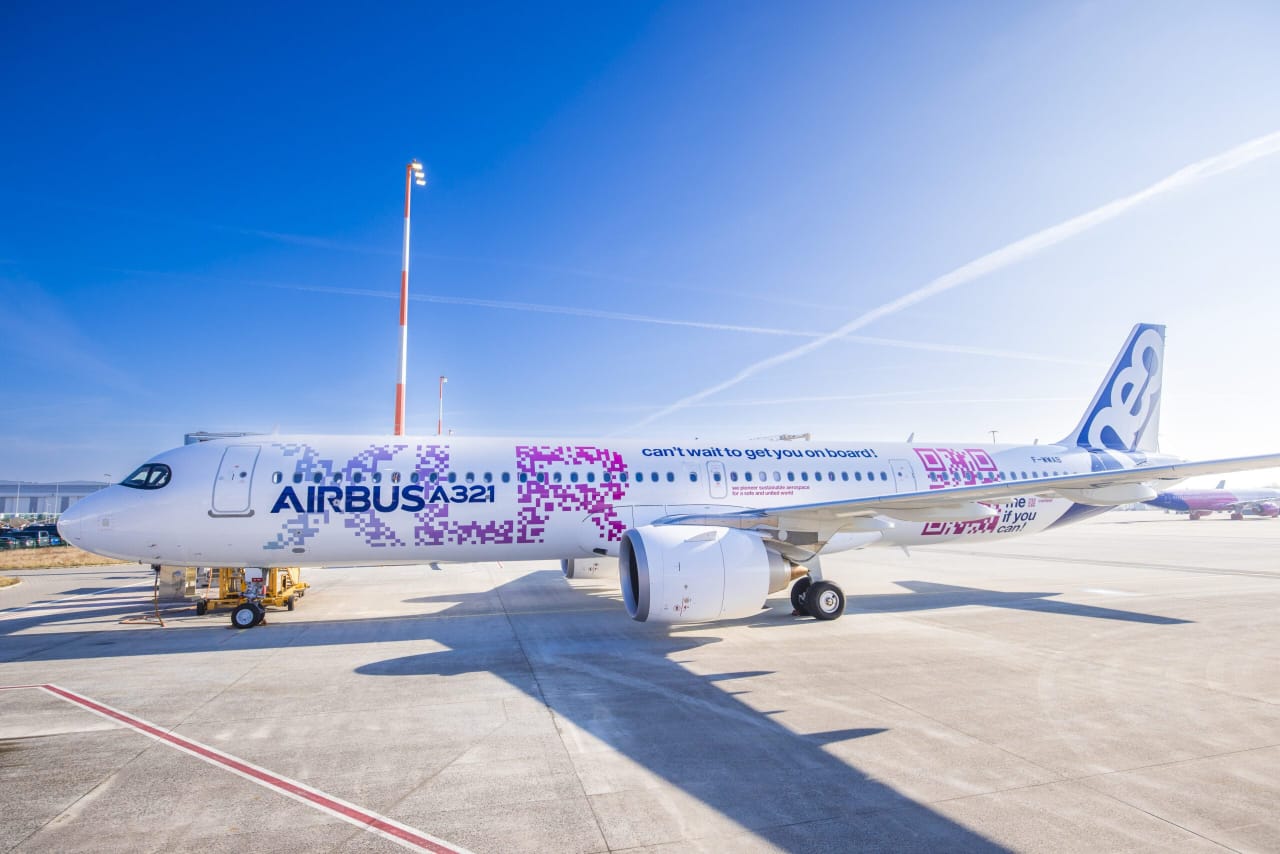
Advances in aircraft technology, combined with airlines’ interest in serving specialised markets, are creating new possibilities for long-distance travel. One aircraft attracting particular attention is the Airbus A321XLR. Its extended range allows airlines to consider routes that previously required a larger widebody aircraft or a connecting flight.
For travellers, this development could mean fewer connections, more convenient departure airports, and new ways to explore the world.
WHAT IS THE AIRBUS A321XLR?
The Airbus A321XLR is a single-aisle aircraft designed to fly farther than conventional narrowbody jets. Airbus specifies a maximum range of approximately 4,700 nautical miles, or 8,700 kilometres, under its published design specifications.
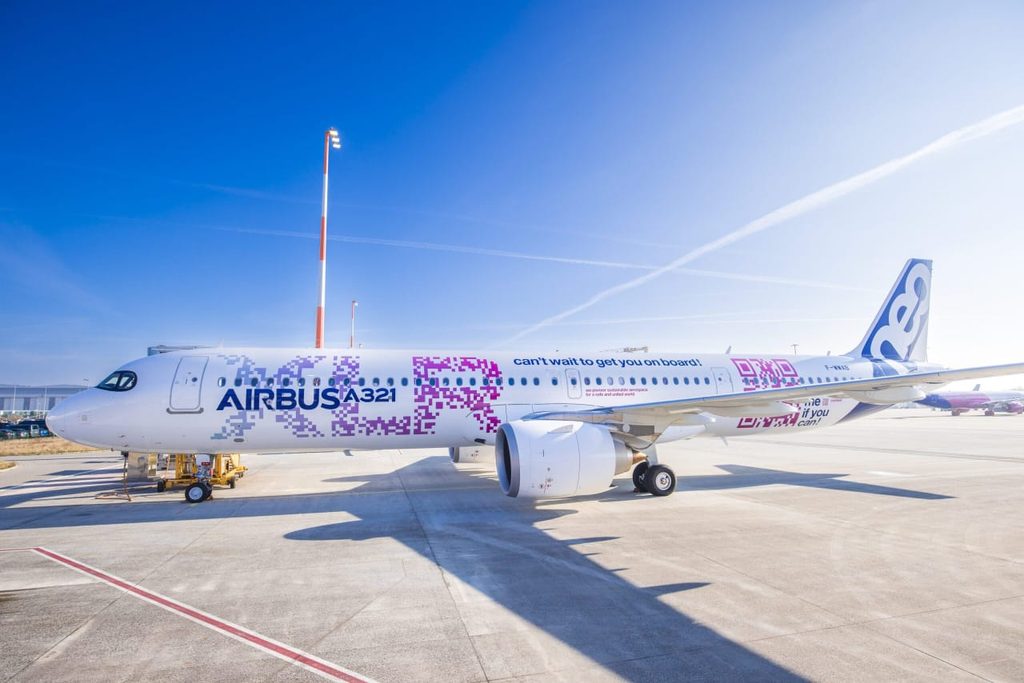
Unlike traditional widebody aircraft, which have two passenger aisles, the A321XLR has one. Its design combines fuel-efficient technology with additional fuel capacity, helping airlines serve longer routes without operating a larger aircraft.
WHY DOES ITS RANGE MATTER?
Airlines do not need to fill a large aircraft to make every route financially viable. On routes with moderate passenger demand, a smaller long-range aircraft can offer a more suitable balance between operating costs and available seats.
This creates opportunities for airlines to connect secondary cities with international destinations, although each proposed route must still make commercial sense.
THREE WAYS LONG-RANGE NARROWBODY AIRCRAFT COULD CHANGE TRAVEL
1. More nonstop routes between smaller cities
Historically, passengers travelling between smaller cities often needed to connect through major hubs. The A321XLR gives airlines another option for serving certain long-distance city pairs directly. Depending on distance and demand, airlines may be able to connect smaller cities with international destinations that previously lacked nonstop services.
2. Fewer connections and less travel stress
Every connection introduces another potential complication: a missed onward flight, a delayed departure, additional airport navigation, or uncertainty about checked baggage. A nonstop flight can simplify the journey considerably. However, nonstop does not automatically mean faster or cheaper. Travellers should compare total journey time, schedules, baggage allowances, and fare conditions before booking.
3. New opportunities for niche destinations
Smaller destinations do not always generate enough demand to support a large widebody aircraft operating regularly. A long-range narrowbody can give airlines more flexibility to test these markets or increase service frequency where demand supports it.
WHAT DOES THIS MEAN FOR TRAVELLERS IN 2026?
The important development is not that every long-distance journey will suddenly become nonstop. Instead, airlines have more flexibility to design routes around passenger demand.
Travellers should watch for new airline announcements, seasonal services, and changes in departure airports. A route that once required two flights may eventually become available as a single service.
For passengers departing from Nigeria, the practical impact will depend on which airlines introduce relevant services and how those routes connect with Lagos, Abuja, and other departure points. Existing connections through major international hubs will remain important.
HOW TO TAKE ADVANTAGE OF NEW ROUTES
• Compare nonstop and connecting itineraries before choosing a fare.
• Check whether a new route operates daily, weekly, or seasonally.
• Review baggage rules, connection protection, and ticket flexibility.
• Consider nearby departure airports if the savings justify extra ground transport.
• Book early when a new route has limited frequencies or introductory availability.
CONCLUSION: A MORE CONNECTED WORLD, ONE ROUTE AT A TIME
Long-range narrowbody aircraft are giving airlines another way to connect cities that may not have supported traditional long-haul operations. As route networks evolve, travellers could gain more convenient options and discover destinations that were previously harder to reach.
The smartest way to benefit is to stay informed and compare the complete journey rather than focusing only on the flight price.
CALL TO ACTION
Ready to find a more convenient way to travel? Global Convoy Travels can help you compare available airlines, explore alternative routes, and plan an itinerary that suits your schedule and budget.
Plan your next journey with Global Convoy Travels and let us help you find the route that works for you.