
INTRODUCTION: BECAUSE SOME FAMILY MEMBERS HAVE FOUR LEGS
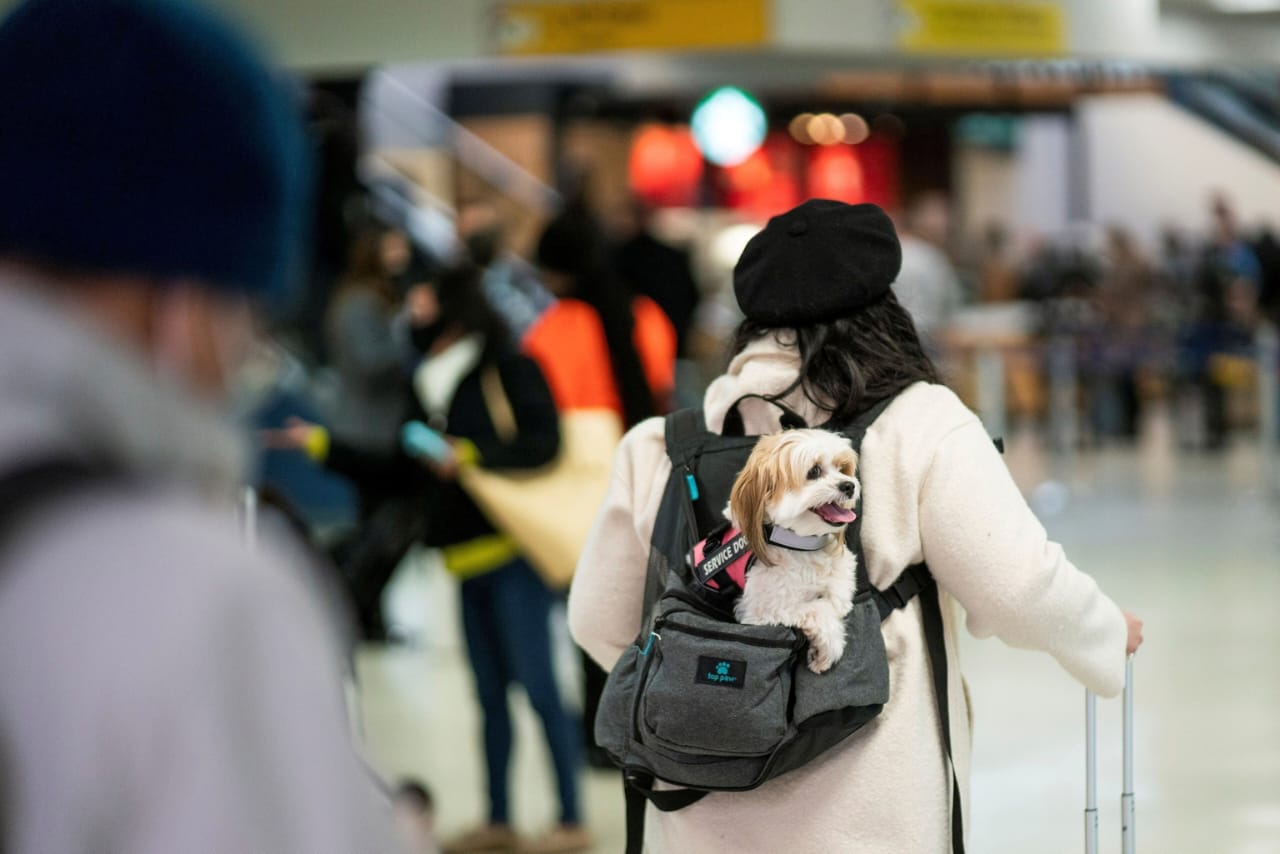
For many people, a holiday does not feel complete when a beloved pet has to stay behind. Dogs and cats are companions, trusted members of the household, and sometimes the reason their owners choose one destination over another.
This emotional connection is influencing the way people approach travel. Pet owners increasingly look for airlines, hotels, holiday rentals, and destinations that can accommodate their animals comfortably.
This growing demand is often described as the pawprint economy: the services, products, and travel experiences built around pet ownership.
However, pet-friendly travel requires more than finding an airline that accepts animals. Airline rules, destination entry requirements, accommodation restrictions, and animal welfare considerations all influence whether a journey will be practical.
For pet parents planning international travel in 2026, preparation is the key to making the experience safer and less stressful.
WHAT IS THE PAWPRINT ECONOMY?
The pawprint economy reflects the demand for services that recognise pets as an important part of everyday life. Within tourism, this includes pet-welcoming accommodation, transport options, outdoor experiences, and specialist travel assistance.
WHY PET-FRIENDLY TRAVEL MATTERS
Travellers may be willing to pay more for accommodation that accepts their pets, offers suitable outdoor spaces, or provides amenities such as pet beds and feeding bowls.
Some hotels also provide pet-sitting services, designated walking areas, or partnerships with local animal-care providers. These amenities vary by property and should always be confirmed before booking.
For travel businesses, understanding these needs creates an opportunity to offer more thoughtful, personalised holiday planning.
CAN YOU FLY WITH YOUR PET IN 2026?
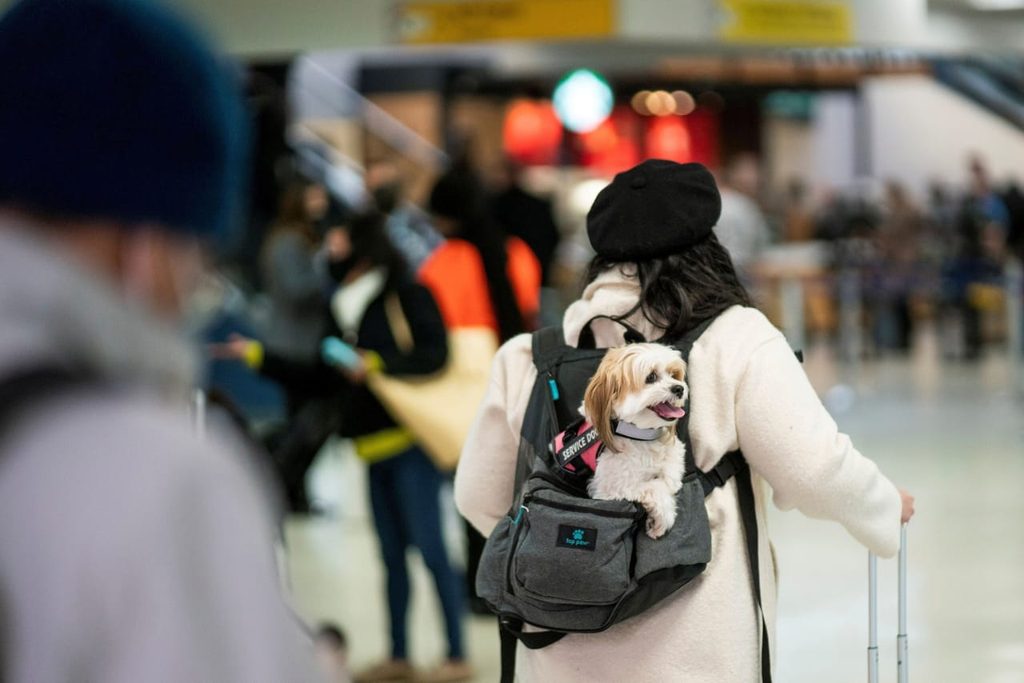
Yes, some airlines allow eligible pets to travel, but there is no universal airline policy. Each carrier determines which animals it accepts, the permitted size and weight, the required carrier, applicable fees, and whether pets may travel in the cabin or another approved arrangement.
The US Federal Aviation Administration explains that individual airlines decide whether pets may travel in passenger cabins, subject to applicable aviation rules. Cabin pets generally need to remain in a suitable carrier that fits under the seat.
IN-CABIN PET TRAVEL
This option may be available for small dogs and cats that meet an airline’s requirements. The pet normally remains inside an approved carrier throughout the flight.
Travellers should confirm:
• Maximum combined pet-and-carrier weight, if applicable.
• Carrier dimensions and whether a soft-sided carrier is required.
• Whether pets are accepted in their chosen cabin and aircraft.
• The number of pets permitted on the flight.
• Advance booking procedures and pet transportation fees.
Do not assume that an airline accepts pets simply because it operates the route you need.
HOLD TRANSPORT AND SPECIALIST PET SERVICES
Some airlines offer approved arrangements for animals that cannot travel in the cabin, while others may require larger animals to be transported through a separate cargo service or may not accept them at all.
Availability depends on the airline, aircraft, route, animal, weather conditions, and destination regulations.
Specialist animal transport providers may help with documentation, suitable crates, airport procedures, and international arrangements. Their services and costs should be checked individually.
Service animals may be covered by different rules from ordinary pets, so travellers should clarify their specific circumstances with the airline.
FIVE ESSENTIAL STEPS BEFORE FLYING WITH YOUR PET
1. Research destination entry requirements
International pet travel can involve veterinary health certificates, vaccinations, microchip requirements, import permits, parasite treatments, or quarantine arrangements.
Requirements differ between countries and may depend on where the animal is travelling from. Begin the process well before departure and consult the destination’s official veterinary or animal-import authority.
For travellers leaving Nigeria, verify the applicable export procedures and the destination country’s entry rules before paying for flights or accommodation.
2. Confirm the airline’s pet policy before purchasing tickets
Ask whether your particular pet can travel on every flight segment. A connecting itinerary may involve multiple airlines with different policies.
Get confirmation of the pet’s reservation and any required documentation. A standard passenger ticket does not automatically include permission to transport an animal.
3. Prepare your pet for the journey
Allow your pet to become comfortable with its carrier before departure. Follow veterinary advice about feeding, hydration, motion-related concerns, and whether your animal is fit to travel.
Avoid sedating an animal unless a veterinarian specifically advises it after considering the risks.
4. Choose genuinely pet-friendly accommodation
A hotel describing itself as pet-friendly may still impose weight limits, breed restrictions, additional charges, or limits on how long an animal can be left alone.
Confirm the property’s rules in writing. Ask about nearby walking areas, cleaning fees, pet-sitting availability, and whether animals are permitted in all the spaces you intend to use.
5. Plan for comfort and contingencies
Pack food, familiar bedding where practical, waste bags, a lead or harness, and copies of relevant veterinary documents.
Keep essential supplies accessible, and identify a local veterinary clinic near your accommodation. Consider what you would do if a flight were delayed or your pet became unwell.
ARE LUXURY PET-FRIENDLY HOLIDAYS WORTH IT?
A higher-priced hotel does not necessarily offer a better experience for your animal. The most suitable accommodation is one that meets your pet’s needs and your travel budget.
Depending on the destination, you might choose a resort with walking trails, a private holiday rental with outdoor space, or an urban hotel near parks and veterinary services.
The best choice balances comfort, accessibility, cost, and the property’s actual pet policy.
CONCLUSION: MAKE YOUR NEXT HOLIDAY A FAMILY AFFAIR
Travelling with a pet can be rewarding, but it requires careful coordination. Airline approval, animal health, entry regulations, and accommodation rules must all align before your journey begins.
CALL TO ACTION
Planning an international trip with your furry companion? Global Convoy Travels can help you research suitable flight options, coordinate your travel arrangements, and identify accommodation that welcomes pets, subject to provider confirmation.
Contact Global Convoy Travels @+2347019779251 before booking so you can plan with greater confidence and give every member of your travelling family the attention they deserve.