
By: Ephraim Success
Travel is one of life’s most rewarding experiences, but crossing multiple time zones can leave even seasoned travellers feeling exhausted, disoriented, and out of sync. While most people refer to this simply as “jet lag,” the effects of changing time zones go far beyond feeling sleepy after a long flight.
Your body’s internal clock, known as the circadian rhythm, controls everything from when you feel awake and hungry to your body temperature, hormone production, and even cognitive performance. When you rapidly travel across time zones, your internal clock remains set to your point of departure while the local time at your destination moves on without it. This mismatch is why you may feel wide awake at midnight or struggle to stay alert during the afternoon.
Understanding how time zones affect your body can help you plan smarter, recover faster, and enjoy your destination from the moment you arrive.
Understanding Your Body Clock
Every person has a natural biological clock that follows roughly a 24-hour cycle. This internal timing system is primarily regulated by exposure to daylight and darkness. When the sun rises, your brain reduces the production of melatonin, the hormone responsible for sleep, making you feel more alert. As darkness falls, melatonin levels increase, preparing your body for rest.
When you travel across several time zones in just a few hours, your body’s clock cannot instantly adjust. Although your watch changes immediately, your biology does not.
The greater the number of time zones crossed, the more significant the disruption.
Why Eastward Travel Often Feels Harder
Many travellers notice that flying east tends to be more challenging than flying west.
This is because travelling east shortens your day, requiring your body to fall asleep earlier than it naturally wants to. Flying west, on the other hand, lengthens the day, which is generally easier for most people to adapt to.
For example:
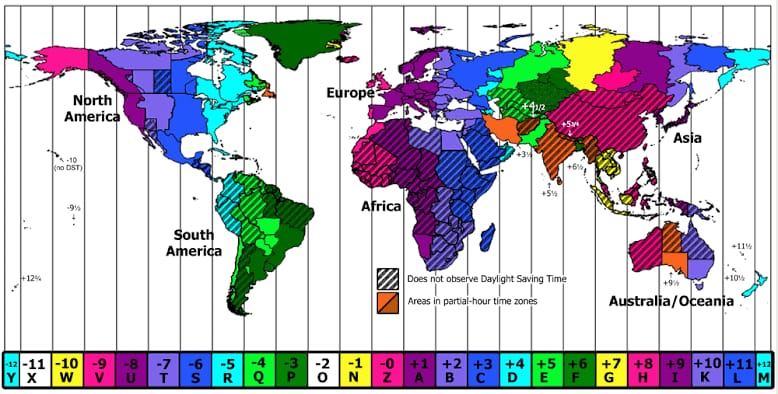
- A flight from Lagos to London involves only a slight time difference, so many travellers experience little or no jet lag.
- A journey from Lagos to Dubai may cause mild fatigue because of the time difference.
- Travelling from Lagos to Tokyo or Sydney requires crossing multiple time zones, making adjustment significantly more difficult.
- Flying from Lagos to New York often causes travellers to wake up very early during their first few mornings because their bodies still operate on Nigerian time.
Common Symptoms of Time Zone Changes
Not everyone experiences jet lag in the same way, but the most common symptoms include:
- Difficulty falling asleep or staying asleep
- Daytime fatigue
- Poor concentration
- Irritability
- Headaches
- Digestive discomfort
- Reduced appetite
- Slower reaction times
Older adults generally take longer to adjust than younger travellers, while frequent international travellers often develop routines that help reduce these symptoms.
It’s More Than Just Sleep
Many people assume time zone changes only affect sleeping patterns, but the body’s circadian rhythm influences much more.
Research has shown that changes to the body clock can temporarily affect:
- Memory and decision-making
- Physical performance
- Mood and emotional well-being
- Digestion
- Hormone balance
- Immune function
This explains why some travellers feel mentally “foggy” during meetings or have less energy to explore a destination during the first few days after arrival.
How Long Does It Take to Adjust?
A useful guideline is that the body typically needs about one day to adjust for each time zone crossed.
For example:
- Crossing three time zones may require around three days to fully adapt.
- Crossing eight or more time zones could require over a week before your body clock completely resets.
However, age, health, sleep habits, and the direction of travel all influence recovery time.
Practical Ways to Reduce Jet Lag
Fortunately, travellers can take several simple steps to minimise the effects of changing time zones.
- Gradually Adjust Your Sleep Schedule
If you’re travelling across many time zones, begin shifting your bedtime by 30 to 60 minutes each day a few days before departure.
- Stay Hydrated
Aircraft cabins have very low humidity, which can contribute to dehydration and increase feelings of fatigue. Drinking plenty of water before, during, and after your flight can help you feel better upon arrival.
- Get Sunlight at Your Destination
Natural daylight is one of the strongest signals that helps reset your body clock. Spending time outdoors after arriving can speed up your adjustment to the new time zone.
- Sleep According to Local Time
Even if you’re tired, try to align your sleep with the local schedule rather than your home time zone. Short naps of 20 to 30 minutes can help, but long daytime naps may delay your adjustment.
- Watch Your Caffeine Intake
Coffee can temporarily improve alertness, but consuming it late in the day may make it harder to fall asleep at your destination.
- Eat Meals on Local Time
Your digestive system also follows your circadian rhythm. Eating breakfast, lunch, and dinner according to local time helps your body adapt more quickly.
Business Travellers Face Additional Challenges
Business travellers often have little time to recover before attending meetings or conferences. Arriving a day early whenever possible allows the body to adjust and improves focus, productivity, and overall performance.
Planning flights that arrive in the evening can also make it easier to sleep according to the local schedule.
Technology Can Help
Many travel apps now provide personalised jet lag plans based on your itinerary. These tools recommend when to sleep, seek daylight, exercise, or avoid caffeine to help your body adjust more efficiently.
While they cannot eliminate jet lag entirely, they can make the transition smoother.
The Bottom Line
Time zones may be invisible on a map, but their effects on the human body are very real. Understanding how your internal clock works allows you to prepare before departure, reduce fatigue, and make the most of every trip.
Whether you’re flying for business, embarking on a holiday, or visiting loved ones overseas, a little planning can make the difference between spending your first days recovering and spending them creating unforgettable memories.
After all, the goal of travel isn’t just to arrive at your destination—it’s to feel your best when you get there.