
By Success Ephraim
Introduction
Travelling alone no longer means having to do everything alone. Across the travel industry, independent travellers are finding new ways to explore the world without sacrificing their freedom, comfort, or desire for meaningful connections. One option gaining attention is group travel, which allows individuals to join organised trips, meet like-minded people, and experience new destinations together.
For many travellers, the appeal is simple: they want the freedom to discover the world on their own terms, but they also appreciate having company, reliable arrangements, and someone to share the experience with. From weekend cultural excursions to international adventures, group travel is creating opportunities for people to enjoy the best of both worlds.
The Rise of Independent Travel
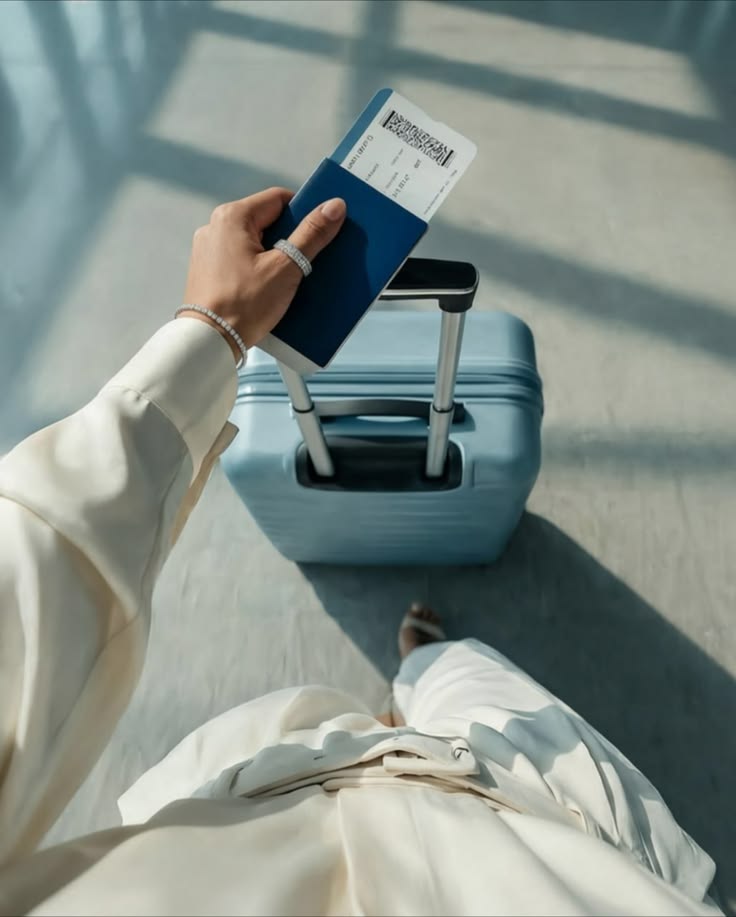
Independent travel has become an appealing option for people who want greater control over their holidays. Rather than waiting for friends or family members to agree on a destination, budget, or travel date, solo travellers can make their own decisions and pursue experiences that match their interests.
However, travelling alone can come with challenges. Planning transportation, finding suitable accommodation, navigating unfamiliar destinations, and managing costs can require considerable time and effort. Some travellers may also feel uncomfortable exploring unfamiliar places without company.
This is where organised group travel offers an alternative. It gives independent travellers the opportunity to plan trips around their own schedules and interests while joining a group of people with similar travel goals.
Why Group Travel Appeals to Solo Travellers

- The Opportunity to Meet New People
One of the biggest attractions of group travel is the chance to form new connections. Travelling brings people together through shared experiences, whether they are exploring historical landmarks, tasting local dishes, enjoying outdoor adventures, or discovering a new culture.
For solo travellers, these shared moments can make a trip more memorable. A conversation during a sightseeing tour can develop into a friendship, while a shared adventure can create memories that last long after the journey ends.
Group travel also offers a natural way to socialise without the pressure of attending events specifically designed for networking or meeting people.
- Less Planning, More Exploring
Organising a trip independently can involve researching destinations, comparing accommodation, arranging transportation, booking activities, and managing reservations.
With an organised group tour, many of these responsibilities can be handled by the travel organiser. Depending on the package, transportation, accommodation, guided excursions, and selected activities may already be arranged.
This convenience allows travellers to focus more on enjoying their destination rather than worrying about every logistical detail. It can be especially valuable for first-time international travellers or people with busy schedules.
- A More Manageable Travel Budget
Travelling alone can sometimes be expensive because certain costs, such as private transportation, accommodation, and guided experiences, cannot easily be shared.
Group tours may help reduce some of these expenses through negotiated rates, shared transport, and group bookings. Travellers may also benefit from having a clearer understanding of the total trip cost before departure.
However, group travel is not automatically cheaper than travelling independently. The value depends on the destination, the package inclusions, the quality of accommodation, and any additional expenses.
Before booking, travellers should compare what is included in a group package with what they would pay to arrange the same experience themselves.
- Greater Confidence in Unfamiliar Destinations
Visiting a new country or exploring an unfamiliar city can be exciting, but it may also present challenges involving language differences, local transport, cultural expectations, and navigation.
A well-organised group tour can provide additional reassurance through experienced tour leaders, planned transportation, local guides, and a clear itinerary.
This does not eliminate every travel risk, but it can make unfamiliar destinations feel more accessible. Travellers can explore with greater confidence while benefiting from the knowledge and support of the tour organiser.
- Freedom Without the Feeling of Isolation
Perhaps the greatest advantage of group travel is that it offers companionship without necessarily requiring travellers to give up their independence.
A good group itinerary allows participants to enjoy shared activities while providing some flexibility for personal exploration, relaxation, shopping, or individual interests.
Travellers can choose to participate in group experiences and still have time to themselves. This balance is particularly attractive to people who enjoy their own company but do not want to feel isolated throughout their holiday.
The Role of Travel Companies in This Growing Interest
As more travellers look for flexible and experience-driven holidays, travel companies have an opportunity to create packages that cater specifically to independent travellers.
Rather than focusing exclusively on families, couples, or large private groups, t ravel organisers can offer scheduled departures that welcome individuals travelling alone. These packages may include cultural tours, adventure holidays, food experiences, nature excursions, and international city breaks.

Personalisation is equally important. Travellers should be able to understand the pace of a trip, the level of physical activity required, accommodation arrangements, and whether single-room supplements apply.
Clear communication about inclusions, exclusions, cancellation policies, and group sizes can also help travellers make informed decisions.
For travel agencies, the goal should not simply be to bring people together. It should be to create well-planned experiences where travellers feel comfortable, included, and free to enjoy the journey in their own way.
What to Consider Before Joining a Group Tour
Although group travel offers several advantages, choosing the right tour is essential.
Before making a booking, independent travellers should consider the following:
- Itinerary: Does the schedule provide enough time to explore, rest, and enjoy the destination?
- Group size: Would you prefer a small, intimate group or a larger, more social experience?
- Budget: Are accommodation, meals, transportation, entrance fees, and optional activities clearly explained?
- Accommodation: Is a private room available, and will it attract an additional charge?
- Travel style: Does the tour focus on adventure, culture, relaxation, sightseeing, or a combination of experiences?
- Support and safety: Are the organiser’s contact details, emergency arrangements, and cancellation policies clearly provided?
Reading reviews and asking questions before booking can help ensure that the experience matches personal expectations.
Conclusion: You Can Travel Alone Without Missing Out
The idea that travelling alone means experiencing the world in isolation is steadily giving way to a more flexible approach. Group travel allows independent travellers to explore new destinations, meet different people, share memorable experiences, and enjoy the convenience of organised arrangements without necessarily giving up their personal freedom.
Whether it is a weekend getaway, a cultural expedition, or an international holiday, the right group tour can turn an individual travel decision into a shared adventure.
Ultimately, solo travel and group travel do not have to be opposites. You can choose your destination, make your own decision to travel, and begin the journey independently while discovering that some of the most rewarding travel memories are made with people you have only just met.