
By: Ephraim Success
For decades, the question travellers asked was simple: “Where can I fly to?”
Today, the question is becoming more interesting: “How easily can I get there?”
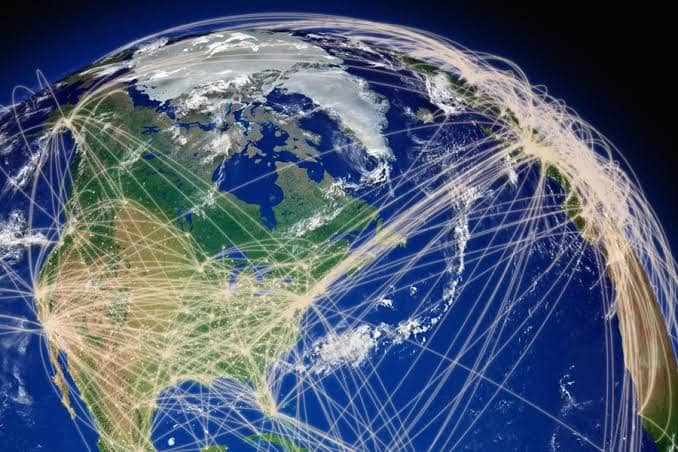
The global aviation map is changing rapidly. Airlines are opening new routes, restoring previously suspended services, increasing flight frequencies and creating partnerships that connect travellers to destinations that once required multiple complicated connections.
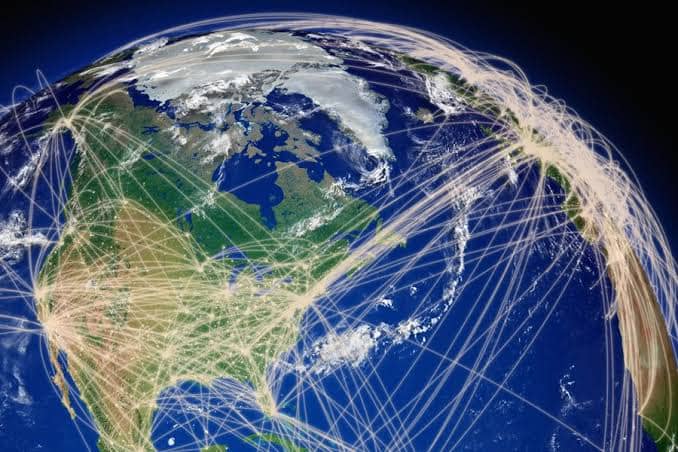
According to aviation data provider OAG, 1,323 new routes were scheduled to begin during Summer 2026, including 709 international routes. Europe alone accounted for more than 400 new international routes.
Recent developments illustrate just how quickly this connectivity is evolving. Qatar Airways announced that its 2026–27 winter network would cover more than 170 destinations, while Air China has announced plans to increase services to Europe and North America.
For travellers, however, a new route is about much more than seeing a new line appear on an airport departures board.
It can change how much a journey costs, how long it takes, where people choose to holiday and even which destinations become accessible to new markets.
A World of New Connections
One of the biggest developments in modern aviation is the expansion of international networks.
Airlines are not simply adding flights between major capitals. They are increasingly connecting secondary cities and emerging tourism destinations to major international hubs.
For example, recent route developments have included new links between Europe and Asia, Europe and Africa, and North America and destinations across Europe and Asia. Lufthansa announced a new Frankfurt–Kuala Lumpur service, while Brussels Airlines introduced a Brussels–Kilimanjaro connection and extended it into the winter season following strong demand.
Meanwhile, Air Canada has announced a substantial international expansion for Summer 2027, including new services connecting Canadian cities with destinations such as Guangzhou, Oslo, Shannon, Nice and Basel.
These developments demonstrate a broader trend: the global aviation network is becoming more interconnected and diversified.
What Does a New Flight Route Actually Mean for Travellers?
A new route may sound like an industry announcement that matters primarily to airlines and airports.
In reality, it can have a direct impact on the traveller.
- More Direct Flights Can Mean Simpler Journeys
One of the clearest advantages of new routes is the possibility of travelling directly between two cities that previously required a connection.
Instead of flying from City A to Hub B and then continuing to City C, travellers may eventually have a direct option.
That can mean:
Fewer airport transfers
Less time spent in transit
Fewer opportunities for missed connections
Less stress during long journeys
Potentially easier travel with children or elderly passengers
For international travellers, particularly those travelling long distances, removing one connection can make a significant difference to the overall experience. - New Routes Can Create More Competition
When additional airlines begin serving the same destination, travellers may have more options to compare.
Airlines compete through factors such as:
Ticket prices
Flight schedules
Baggage allowances
Loyalty programmes
Cabin products
Connection times
Onboard services
However, travellers should not automatically assume that a new route means cheaper tickets.
Airfares are influenced by demand, seasonality, fuel prices, competition, aircraft availability and many other factors.
The important change is that travellers have more options to compare. - Lesser-Known Destinations Can Become Easier to Reach
Air connectivity can also change the tourism fortunes of a destination.
A place that was previously difficult or expensive to reach can become considerably more attractive when a new direct service is introduced.
This is particularly important for emerging tourism destinations.
New routes can help destinations attract:
Leisure travellers
Business travellers
Families
Group tours
International events
Investment
Longer-stay visitors
In other words, a flight route can become a tourism gateway. - African Tourism Stands to Benefit
Africa is an important part of this changing aviation landscape.
Airlines have been expanding connections between African cities and major hubs in Europe, the Middle East and Asia.
Recent developments include new and expanded connections to African destinations such as Nairobi, Kilimanjaro and Zanzibar. Qatar Airways, for example, announced that it would resume daily flights to Zanzibar from October 25, 2026, as part of its expanded winter network.
For African tourism businesses, increased connectivity can mean access to a larger international customer base.
For African travellers, it can mean more choices when planning holidays outside the continent. - Connections Are Becoming More Important Than Individual Routes
There is another major change happening in aviation: airlines are increasingly thinking in terms of networks rather than individual flights.
A traveller may not care which airline operates every individual leg of a journey. What matters is whether the overall journey is convenient.
Codeshare agreements and airline partnerships can make this possible.
In September 2026, for example, AirAsia announced its first codeshare agreement with Pegasus Airlines, initially opening connections to destinations including London, Moscow, Athens, Ankara and Zurich through the combined network. The airlines said the partnership could eventually provide access to more than 100 routes between Asia and Europe.
For travellers, this means the concept of a “direct flight” is only one part of the connectivity story.
A well-designed network can make a destination accessible even when a nonstop service does not exist.
The Rise of the Global Aviation Hub
Some airports are becoming increasingly important because of their ability to connect travellers between different regions.
Major hubs such as Doha, Dubai, Istanbul, London, Frankfurt and Singapore have long played this role.
But the aviation map is not static.
Delhi, for example, recently climbed significantly in global connectivity rankings and surpassed Dubai in OAG’s 2026 international connectivity measure, which assesses the number of potential international connections available within a six-hour window.
This demonstrates an important point: global connectivity is constantly shifting.
Today’s major connection point may not hold exactly the same position tomorrow.
What This Means for Nigerian Travellers
For Nigerian travellers, increased international connectivity can be particularly significant.
Travelling from Nigeria to destinations in Europe, Asia, North America or other parts of Africa can sometimes involve lengthy connections.
As airlines expand their networks, Nigerian travellers may increasingly benefit from:
More routing options
Travellers may be able to compare several ways of reaching the same destination.
Better connection possibilities
Major hubs can provide access to cities that do not have direct services from Nigeria.
More opportunities to combine destinations
A well-connected hub can make multi-country holidays easier to organise.
Greater choice when planning group travel
Tour operators can potentially build itineraries around different airline schedules and connections.
But travellers should still compare the complete journey not simply the advertised ticket price.
A slightly cheaper ticket with a very long connection, restrictive baggage allowance or inconvenient airport change may ultimately offer less value.
More Flights Don’t Automatically Mean Better Travel
It is tempting to look at the growth of global aviation and assume that more routes automatically solve every travel problem.
They don’t.
Routes can be seasonal. Some services may operate only a few times a week. Others may be suspended or adjusted when demand changes.
OAG’s 2026 analysis also highlights considerable route churn, meaning that while many new routes are being introduced, airlines are also removing or changing other services.
This is why travellers should check the actual operating dates and schedules before building an important holiday around a newly announced route.
A route announcement is not necessarily the same thing as a year-round service.
The Future: Travel Is Becoming More Connected and More Flexible
The bigger story behind all these developments is not simply that airlines are adding destinations.
It is that the architecture of international travel is changing.
Airlines are expanding networks.
Airports are developing new hubs.
Codeshare agreements are connecting different airline networks.
Destinations are competing for direct air services.
And travellers are gaining more ways to move between countries and continents.
At the same time, the industry is increasingly focused on making the entire journey smoother from booking and check-in to immigration and airport transfers. Industry discussions in 2026 have highlighted the importance of air connectivity, visa facilitation and more seamless airport processing in supporting tourism growth.
The result could be a travel landscape where the question is no longer simply “Can I get there?”
Instead, it becomes:
“Which route gives me the best overall journey?”
Final Thoughts
Every new flight route represents more than an aircraft travelling from one airport to another.
It represents a new connection between people, businesses, cultures and destinations.
For travellers, that connection can create more choices, more flexible itineraries and access to places that may once have seemed difficult to reach.
For tourism destinations, it can open the door to new visitors and new opportunities.
And for travel companies, it creates an ever-expanding map of possibilities for designing better journeys.
The world isn’t becoming smaller but it is becoming easier to connect.
And for today’s traveller, that could be one of the most exciting developments in the future of travel.