
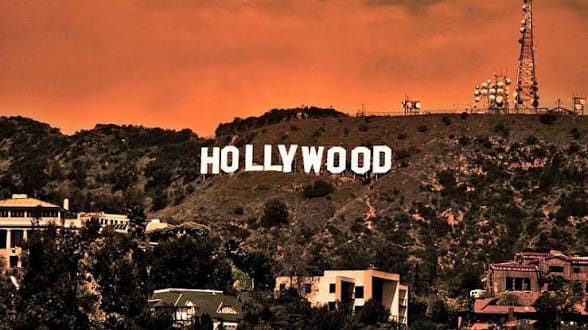
Category: Travel Trends | Tourism | Pop Culture
By: Global Convoy Travels and Tours Limited
What if your next holiday destination is somewhere you first discovered on your television screen?
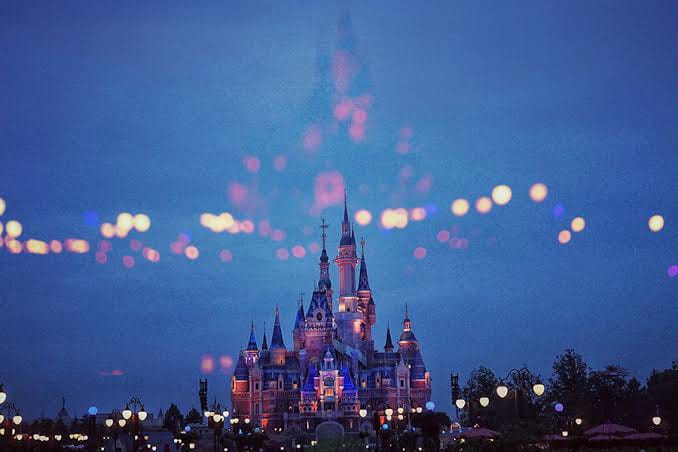
DISNEYLAND.
For many travellers, that is no longer a hypothetical question.
A beautiful landscape in a movie can make viewers want to see it in real life. A television series can turn an unfamiliar city into a bucket-list destination. A fictional hotel can make viewers curious about the real property where a production was filmed.
Today, people are increasingly travelling not only to see famous landmarks, but also to step into the worlds they have watched on screen.
This growing phenomenon is often referred to as film tourism, screen tourism or set-jetting.
And as streaming platforms make movies and television series accessible to audiences around the world, the relationship between entertainment and tourism is becoming increasingly powerful.
WHAT IS POP CULTURE TOURISM?
Pop culture tourism refers to travel inspired by popular entertainment and cultural phenomena.
It can include visiting:
- Film and television filming locations
- Locations associated with famous characters
- Movie-themed attractions
- Music destinations
- Literary locations
- Comic and gaming events
- Celebrity-related destinations
- Entertainment districts
- Fan conventions
- Theme parks inspired by popular franchises
Film and television are particularly influential because they allow viewers to experience a destination visually before ever visiting it.
A place can appear on screen for only a few minutes and still leave a lasting impression.
That emotional connection can eventually become a travel decision.
FROM WATCHING TO VISITING
Traditionally, destination marketing relied heavily on brochures, advertisements, travel agents and tourism campaigns.
Today, entertainment can perform some of that marketing naturally.
A traveller may watch a movie, become fascinated by its scenery and then search online for the location.
The process can be remarkably simple:
Watch → Discover → Search → Plan → Travel.
This is one reason destinations increasingly pay attention to the entertainment industry.
A successful production can put a destination in front of millions of potential travellers without the destination appearing in a conventional tourism advertisement.
THE “WHITE LOTUS EFFECT”
One of the strongest recent examples is HBO’s The White Lotus.
The third season was filmed in Thailand, including locations around Koh Samui, Phuket and Bangkok.
The series created significant international interest in the destinations featured on screen.
In 2025, reports citing Tourism Council of Thailand data said internet searches for Koh Samui increased by 88%, while hotel reservations on the island rose by 44% following the show’s release.
The effect was also visible among hotels featured in the series. Travel-industry reporting found increased interest and bookings at some of the properties connected with the production.
Thailand had already been an established international tourism destination, so The White Lotus did not create tourism there from nothing.
What it did was something arguably more valuable:
It gave millions of viewers a new reason to look at Thailand.
The scenery became part of the story.
And the story became part of the destination’s marketing.
BRIDGERTON AND THE RETURN OF PERIOD TOURISM
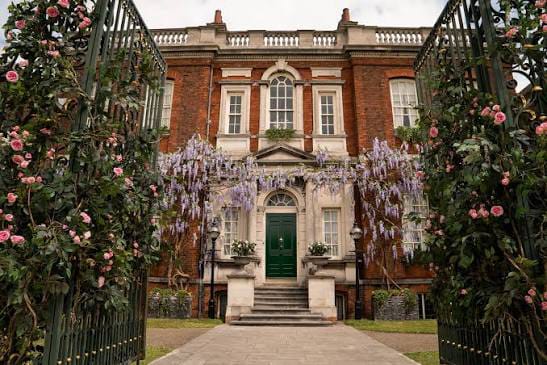
RANGER HOUSE GREENWICH (BRIGERTON HOUSE).
Netflix’s Bridgerton provides another example.
The series has been filmed at numerous historic properties and landscapes across the United Kingdom.
Tourism organisations have embraced this connection.
VisitBritain actively promotes Bridgerton filming locations, directing visitors towards places associated with the series, including historic houses, gardens and estates.
The UK’s National Trust also highlights properties used in Bridgerton and its related productions, turning filming locations into additional reasons for fans to visit these heritage sites.
This is important because the appeal is not necessarily limited to fans of the show.
Someone interested in British architecture, gardens or heritage may discover these locations through the series and decide to include them in a wider UK itinerary.
Entertainment therefore becomes a gateway into cultural tourism.
WHY MOVIES MAKE PEOPLE TRAVEL
There is a psychological reason screen tourism works so well.
People form emotional relationships with stories.
When viewers spend hours following characters through a particular city, beach, palace or countryside, the setting can begin to feel familiar.
The destination is no longer simply a place on a map.
It becomes associated with:
- Characters
- Relationships
- Memories
- Dramatic moments
- Romance
- Adventure
- Nostalgia
That emotional connection can make the destination more attractive.
A traveller may not simply want to see a castle.
They may want to stand in the same courtyard where their favourite character appeared.
They may not simply want to visit an island.
They may want to experience the landscape they saw throughout their favourite series.
STREAMING HAS CHANGED THE GAME
The growth of streaming has significantly expanded the potential audience for screen tourism.
A traditional cinema release may introduce a destination to audiences in multiple countries.
But a popular streaming series can remain available to viewers for months or years.
That means the tourism effect can potentially continue long after the original release.
A viewer can discover a series today, search for its locations tomorrow and begin planning a trip months later.
This gives destinations a longer promotional life.
It also means that filming locations can become part of a destination’s permanent tourism identity.
SOCIAL MEDIA MAKES THE EFFECT EVEN STRONGER
Streaming may introduce travellers to a destination, but social media can turn that interest into action.
After watching a movie or series, travellers can immediately search Instagram, TikTok, YouTube or travel platforms for:
“Where was this filmed?”
“Can I visit this location?”
“Where is the hotel?”
“What does this place look like in real life?”
Travel creators can then produce their own content from those locations.
A filming location that appeared on screen can suddenly generate hundreds or thousands of pieces of user-generated content.
The destination is no longer being promoted only by the film studio or tourism board.
Travellers become part of the marketing.
FROM FILMING LOCATION TO TOURISM PRODUCT
The most successful destinations do not simply tell visitors that a movie was filmed there.
They create experiences around it.
A location can become:
- A guided film-location tour
- A themed walking route
- A museum exhibition
- A photo opportunity
- A fan experience
- A hotel package
- A cultural itinerary
- A combination of filming locations and traditional attractions
This is where pop culture tourism becomes particularly valuable.
The movie attracts attention.
The tourism industry then turns that attention into an experience.
WHAT ABOUT AFRICA?
Africa has enormous potential in this area.
The continent has increasingly become a setting for international films and television productions, while its own film and entertainment industries are reaching global audiences.
Nigeria is particularly interesting because of Nollywood.
Nollywood has produced stories that have introduced international audiences to Nigerian cities, culture, fashion, food and everyday life.
Lagos, in particular, is frequently represented in Nigerian film and television.
This creates an opportunity to connect entertainment with destination marketing.
Imagine a visitor arriving in Nigeria because they have become interested in Nollywood and then extending their trip to experience Lagos, explore Nigerian cuisine, visit cultural attractions and discover other parts of the country.
That is the potential of screen tourism.
NOLLYWOOD AND NIGERIA’S TOURISM STORY
Nigeria does not necessarily need to wait for Hollywood to promote the country.
Its own entertainment industry can play a major role.
Nollywood can showcase:
- Nigerian cities
- Beaches
- Historic locations
- Fashion
- Food
- Festivals
- Architecture
- Cultural traditions
- Local communities
The opportunity is to make locations visually compelling and then connect those locations with tourism experiences.
If a film makes a Nigerian destination memorable, the tourism industry can provide the next step:
“You’ve seen it on screen. Now come experience it.”
THE ECONOMIC OPPORTUNITY
Film tourism can generate benefits across multiple parts of the travel industry.
Visitors may spend money on:
Accommodation: Hotels and short-term rentals benefit from additional demand.
Transportation: Travellers need flights, cars, taxis, trains and tour buses.
Food: Restaurants and local food businesses benefit from visitors.
Attractions: Museums, heritage sites and other attractions can see increased visitor numbers.
Tour operators: Specialised film-location tours can become new tourism products.
Retail: Visitors may purchase souvenirs and locally made products.
The impact can therefore extend well beyond the original filming location.
THERE IS A CATCH: TOO MUCH ATTENTION CAN BECOME A PROBLEM
The success of screen tourism also creates challenges.
A sudden increase in visitors can put pressure on local communities and infrastructure.
Popular locations may experience:
- Crowding
- Traffic
- Rising accommodation demand
- Environmental pressure
- Damage to fragile sites
- Increased waste
- Disruption for residents
Thailand’s experience with The White Lotus illustrates why destination planning matters. The series increased interest in locations that were already dealing with the realities of managing tourism demand.
This means destinations need to think beyond simply attracting tourists.
They must also consider how many visitors a location can sustainably accommodate.
THE ROLE OF TRAVEL COMPANIES
The growth of pop culture tourism creates new opportunities for travel agencies and tour operators.
Instead of selling a generic city tour, a travel company could build an itinerary around a traveller’s favourite film or series.
For example:
Film Location + Hotel + Airport Transfer
TV Series Tour + City Sightseeing
Movie Destination + Cultural Experience
Film Locations + Food Tour
Entertainment Experience + Weekend Getaway
This allows travel companies to sell something more personal.
The customer is not simply buying transportation and accommodation.
They are buying the opportunity to experience a story in real life.
THE FUTURE OF POP CULTURE TOURISM
The line between entertainment and tourism is becoming increasingly blurred.
A film can advertise a destination.
A television series can create a new travel trend.
A musician can put a city on the global cultural map.
A viral scene can turn an ordinary location into a photo destination.
And social media can amplify everything.
The result is a new kind of traveller: someone who does not simply ask, “Where should I go?”
They ask:
“Where have I seen something I want to experience for myself?”
CONCLUSION: WHEN FICTION BECOMES A REAL-LIFE JOURNEY
Travel has always been about stories.
People visit historic cities because of the stories attached to them. They explore ancient ruins because they want to understand the people who once lived there.
Pop culture simply gives those stories a modern form.
A movie can make a city feel familiar.
A television series can make a hotel feel iconic.
A character can make a destination unforgettable.
And eventually, the viewer can become the traveller.
The next time you finish your favourite movie or series and find yourself searching for the location where it was filmed, you may already be experiencing the beginning of your next holiday.
Because sometimes, the best way to step into your favourite story is to book a ticket to where it was filmed.