
Category: Travel Trends | Tourism | Culture & Entertainment
By: Global Convoy Travels and Tours
From Afrobeats in Nigeria to major international festivals, music is increasingly influencing where people travel. Discover how music and tourism are becoming interconnected.
What if the reason you book your next flight is not a beach, a landmark or a hotel, but a song?
That is increasingly becoming a reality in the global travel industry.
Music has always been part of travel. People listen to local music when they visit new destinations, attend cultural performances while on holiday and purchase music as souvenirs.
But the relationship between music and tourism has evolved.
Today, people are increasingly travelling specifically for music.
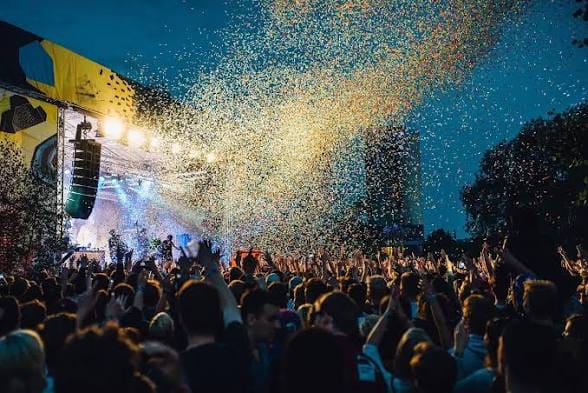
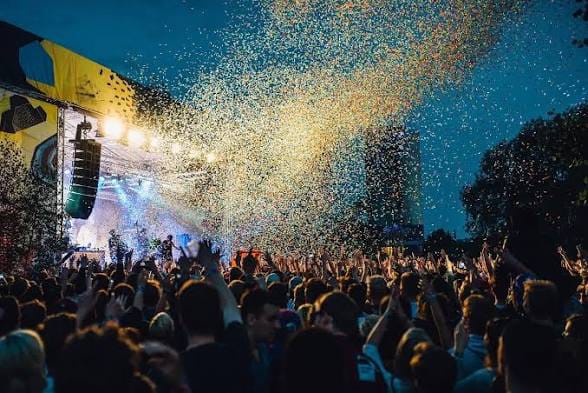
A concert in another city can become the reason for booking a flight. A music festival can turn a relatively unknown destination into a tourist attraction. An artist’s hometown can become a place fans want to visit. And a country’s music scene can influence how international travellers perceive its culture.
This growing relationship between music and travel is often described as music tourism.
From Nigeria’s Afrobeats scene to major festivals around the world, music is becoming an increasingly powerful driver of tourism.
WHAT IS MUSIC TOURISM?
Music tourism refers broadly to travel motivated by music-related experiences.
This can include travelling to:
- Attend concerts
- Attend music festivals
- See a favourite artist perform
- Visit an artist’s hometown
- Explore places associated with particular genres
- Experience traditional or indigenous music
- Attend cultural celebrations
- Visit music museums and heritage sites
- Participate in music-related events
The important change is that music is no longer simply something tourists consume after arriving at a destination.
For many travellers, music is becoming part of the reason they choose the destination in the first place.
THE RISE OF THE “GIG TRIP”
One of the clearest examples of this trend is the rise of what is commonly called the “gig trip.”
Instead of waiting for an artist to perform locally, fans travel to another city or country to attend a concert.
The trip can then become much bigger than the concert itself.
A traveller might arrive two or three days early, stay in a hotel, visit attractions, eat at local restaurants, shop and explore the nightlife before attending the show.
The concert becomes the anchor around which an entire holiday is built.
Recent figures from the United Kingdom demonstrate the economic potential.
In 2025, 24.7 million people travelled to attend concerts and festivals in the UK, contributing approximately £11.2 billion to the economy. Music tourism revenue also increased, while overseas visitors attending UK music events rose significantly.
This shows why tourism authorities and destination marketers are paying increasing attention to music.
A concert can generate spending far beyond ticket sales.
WHY MUSIC IS SUCH A POWERFUL TOURISM DRIVER
Music has something that many conventional tourist attractions do not:
emotional connection.
A landmark can be interesting.
A museum can be educational.
A beach can be beautiful.
But a song can create an emotional relationship with a place before a traveller has ever visited it.
Someone who loves Afrobeats may already associate Lagos with Nigerian music and nightlife.
A fan of reggae may associate Jamaica with the genre’s history.
A lover of Latin music may be drawn towards destinations such as Puerto Rico or Colombia.
Music creates an image of a place.
And that image can influence travel decisions.
NIGERIA’S AFROBEATS OPPORTUNITY
Few countries demonstrate the relationship between music and tourism more clearly than Nigeria.
Afrobeats has become one of the country’s most powerful cultural exports, with Nigerian artists building large international audiences.
As Nigerian music reaches more people around the world, it also creates curiosity about Nigeria itself.
Lagos is particularly important.
The city is widely recognised as a major centre of Nigeria’s music and entertainment industry, and major concerts and festivals increasingly attract visitors from other parts of Nigeria, across Africa and from the Nigerian diaspora. Nigerian media have increasingly highlighted the potential of this entertainment ecosystem to drive tourism.
For international fans, attending a Nigerian concert can therefore become more than watching an artist perform.
It can be an opportunity to experience the environment that influenced the music.
That could mean visiting Lagos nightlife spots, exploring Nigerian cuisine, visiting cultural attractions or simply experiencing the city’s energy.
MUSIC CAN PUT DESTINATIONS ON THE MAP
A destination does not necessarily need to be famous for its landmarks before it can attract tourists.
Sometimes, culture can create the fame.
Music festivals provide one way of doing this.
When an event consistently attracts visitors from outside its host city, the festival can become part of the destination’s identity.
Nigeria already has examples of this connection between entertainment and place.
The Calabar Festival and Carnival, for instance, has helped establish Cross River State as a major cultural and entertainment destination, with the event attracting visitors and attention beyond the state. The 2025 edition marked the festival’s 20th anniversary.
Similarly, cultural festivals across Nigeria can combine music, food, fashion, dance and heritage to create experiences that encourage travel.
The tourism opportunity lies in turning these individual events into professionally developed destination experiences.
THE IKOGOSI-AFRIMMA EXAMPLE
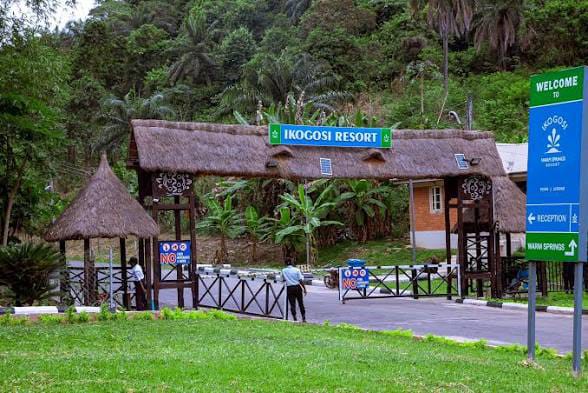
A particularly relevant Nigerian development emerged in August 2026.
Ikogosi Warm Springs Resort was named the official presenting sponsor of the AFRIMMA Music Festival 2026, which is scheduled to take place in Dallas, Texas, on September 12.
The festival’s theme, “A Day in Africa,” is designed to celebrate African music, cuisine, culture, tourism and entertainment.
The partnership is significant because it demonstrates how a tourism destination can use music to reach an international audience.
Ikogosi is not simply promoting a hotel or resort.
It is connecting a Nigerian tourism destination with African music, culture and entertainment.
That is exactly the kind of relationship that can help tourism destinations reach audiences who may never have encountered them through conventional tourism advertising.
MUSIC AND CULTURAL TOURISM
The relationship goes deeper than concerts.
Music is part of cultural identity.
Traditional songs, instruments, dances and musical performances can tell visitors about a community’s history, values and traditions.
This creates an opportunity for cultural tourism.
Instead of simply watching a performance, tourists can potentially participate in a broader experience involving:
- Traditional music
- Dance
- Local cuisine
- Storytelling
- Traditional crafts
- Historical sites
- Community celebrations
This makes the destination more immersive.
For countries such as Nigeria, with enormous cultural diversity, music can therefore become a bridge between entertainment and heritage tourism.
MUSIC CAN ALSO SUPPORT LOCAL BUSINESSES
The economic impact of music tourism extends beyond major artists and event organisers.
Consider what happens when thousands of visitors arrive in a city for a major concert.
They need somewhere to stay.
They need transportation.
They need food.
They may visit attractions.
They may go shopping.
They may spend money on entertainment.
They may extend their stay.
This creates opportunities for hotels, restaurants, transportation companies, tour operators, retailers, photographers, event companies and other local businesses.
In other words, the concert may be the attraction, but the destination receives the wider economic benefit.
THE SOCIAL MEDIA EFFECT
Social media has accelerated the relationship between music and tourism.
A concert is no longer experienced only by the people inside the venue.
Fans post videos.
Artists share backstage content.
Travel creators document their trips.
Visitors showcase restaurants, hotels and attractions.
Within hours, a city can become associated with a major cultural moment.
This creates a powerful feedback loop:
Music creates attention → attention creates curiosity → curiosity encourages travel → travel generates content → content creates more attention.
This is one reason music and tourism are increasingly difficult to separate in destination marketing.
AFRICAN DESTINATIONS HAVE A MAJOR OPPORTUNITY
Africa has an enormous advantage when it comes to music tourism: musical diversity.
Afrobeats, Amapiano, Highlife, Fuji, traditional music, Congolese rumba, reggae-influenced sounds and countless regional musical traditions provide destinations with unique cultural identities.
Countries can use this diversity to develop tourism experiences around their music.
Imagine a traveller visiting Nigeria for an Afrobeats festival, Ghana for a music and heritage experience, South Africa for an Amapiano event or Tanzania for a cultural festival.
Music can become the thread connecting the traveller to the destination.
BUT MUSIC TOURISM NEEDS PROPER PLANNING
The growth of music tourism also presents challenges.
Large events can put pressure on transportation, accommodation, security and public infrastructure.
Popular destinations may also experience overcrowding.
There are concerns around ticket availability and inflated prices, particularly for major international concerts. The UK music-tourism industry has also highlighted problems such as ticket touting alongside the sector’s growth.
Destinations therefore need to plan carefully.
Successful music tourism requires more than booking a famous artist.
It requires:
- Reliable transportation
- Adequate accommodation
- Safety and security
- Event infrastructure
- Clear visitor information
- Professional event management
- Efficient ticketing
- Destination marketing
- Waste management
- Local community participation
WHAT THIS MEANS FOR TRAVEL COMPANIES
The growth of music tourism creates an interesting opportunity for travel agencies and tour operators.
Instead of simply selling destinations, travel companies can develop event-based travel packages.
For example:
Concert + Hotel + Airport Transfer
Festival + City Tour + Accommodation
Music Event + Cultural Experience
Concert + Beach Getaway
Festival + Food Tour
This approach gives travellers a complete experience rather than leaving them to organise every element themselves.
It also creates opportunities for travel companies to collaborate with event organisers, hotels, transportation providers and tourism boards.
THE FUTURE OF MUSIC TOURISM
The relationship between music and tourism is likely to become even stronger.
Travellers increasingly want experiences that feel personal, memorable and culturally meaningful.
Music provides exactly that.
It can introduce people to a culture before they arrive and give them a reason to experience that culture in person.
The global growth of music tourism suggests that destinations that understand this relationship will have an additional tool for attracting visitors.
Nigeria, in particular, has an opportunity to position its music industry as part of its tourism strategy.
Afrobeats has already taken Nigerian sounds around the world.
The next opportunity is to use that global attention to encourage more people to come and experience Nigeria itself.
CONCLUSION: WHEN THE SOUND BECOMES THE JOURNEY
Tourism has traditionally sold places.
Music sells emotions.
Increasingly, the two are meeting in the middle.
A traveller may hear an artist’s song, discover the culture behind it and eventually decide to visit the country where it originated.
A concert can turn into a weekend getaway.
A festival can transform a city into a tourism destination.
And a country’s music can become one of its most powerful forms of destination marketing.
For Nigeria and the wider African tourism industry, the opportunity is particularly significant.
The world is listening to African music.
The next step is to give those listeners a reason to travel to Africa and experience the culture behind the sound.
Sometimes, the journey begins with a song.