
Category: Travel Trends | African Tourism
By: Ephraim Success
Nigeria’s importance to African tourism is becoming increasingly difficult to ignore. From The Gambia to other African destinations, Nigerian travellers are becoming an increasingly important tourism market. Here’s why.
The country is not only one of Africa’s largest markets by population. It is also home to a large business community, a globally influential entertainment industry and a growing population of people travelling for leisure, business, events and cultural experiences.
As a result, African destinations are increasingly looking towards Nigerian travellers.
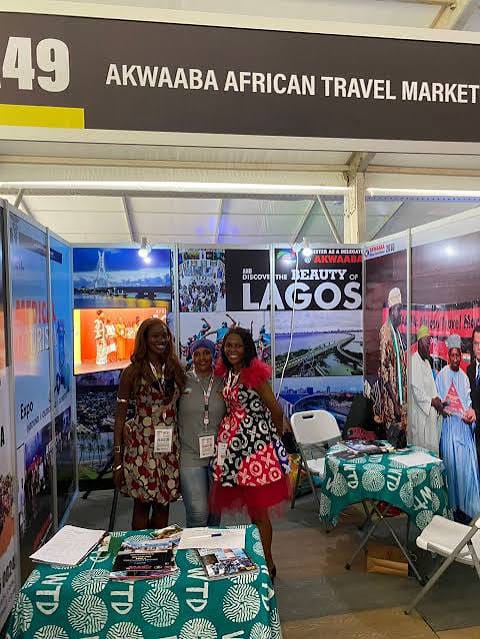
One recent example is The Gambia, whose Minister of Tourism, Arts and Culture, Abdoulie Jobe, is scheduled to lead a delegation to the 2026 Akwaaba African Travel Market in Lagos from September 13 to 15. The Gambia says the visit is aimed at strengthening tourism partnerships, attracting more visitors and investment, and expanding its footprint in Nigeria and the wider African market.

The development highlights a larger trend: African destinations are increasingly competing for African travellers.
WHY NIGERIA MATTERS TO AFRICAN TOURISM
Nigeria’s importance as a tourism market goes beyond its population.
Lagos is one of West Africa’s major commercial centres, while Abuja is an important destination for government, diplomacy and business.
Nigerians travel for numerous reasons, including:
- Leisure
- Business
- Conferences
- Weddings
- Family visits
- Religious travel
- Shopping
- Entertainment
- Adventure
- Honeymoons
- Cultural experiences
Nigeria’s entertainment industry also gives the country a unique position in global culture.
Afrobeats, Nollywood, Nigerian fashion and cuisine have helped make Nigerian culture increasingly visible internationally.
But cultural influence also works in reverse.
As Nigerians become more exposed to other African destinations through social media, entertainment and travel content, curiosity about those destinations grows.
THE RISE OF INTRA-AFRICAN TOURISM
For many years, tourism marketing in Africa focused heavily on attracting visitors from Europe, North America and other long-haul markets.
There is now increasing recognition of another opportunity:
Africans travelling within Africa.
A Nigerian traveller does not necessarily have to fly to Europe or North America for an international holiday.
The continent itself offers an enormous range of experiences.
A traveller could choose:
- A beach holiday in The Gambia
- A cultural trip to Ghana
- A safari in Kenya
- An island escape in Tanzania or Zanzibar
- A city-and-wildlife holiday in South Africa
- A luxury getaway in Mauritius
- A nature and adventure trip in Rwanda
This creates opportunities for African destinations to compete for travellers from neighbouring and regional markets.
THE GAMBIAN EXAMPLE
The Gambia’s upcoming participation in Akwaaba 2026 provides a clear example.
The country’s delegation is expected to use the Lagos event to engage Nigerian travel agencies, tour operators, airlines, investors and other tourism stakeholders.
The Gambia is also seeking to position itself beyond traditional leisure tourism by promoting its potential as a Meetings, Incentives, Conferences and Exhibitions (MICE) destination.
That strategy is significant because business travellers can contribute to tourism economies through accommodation, transportation, restaurants, conferences, entertainment and other services.
WHY TRAVEL TRADE EVENTS MATTER
The Akwaaba African Travel Market, scheduled for September 13–15, 2026, at Eko Hotel in Lagos, describes itself as an international travel, tourism and hospitality event bringing together businesses, investors, government decision-makers and buyers.
Events such as this are important because tourism is not built entirely through advertising.
Travel companies need partnerships.
Tourism boards need travel agents.
Hotels need customers.
Airlines need passengers.
Tour operators need destinations.
Travel technology companies need users.
Trade exhibitions create a space where these different parts of the industry can meet.
WHAT NIGERIAN TRAVELLERS WANT
The Nigerian travel market is not one single group.
Different travellers have different priorities.
A young traveller may prioritise affordability, nightlife and adventure.
A family may prioritise safety, accommodation and child-friendly activities.
A honeymoon couple may prioritise privacy and luxury.
A corporate traveller may prioritise connectivity, business facilities and convenience.
This means African destinations seeking Nigerian visitors need to understand the different segments of the market.
Simply advertising a destination is no longer enough.
Destinations increasingly need to sell specific experiences.
AFRICA AS A COMPETITIVE TOURISM MARKET
The growing interest in Nigerian travellers could ultimately benefit the consumer.
As more destinations compete for the same travellers, travel companies may have more options when designing packages.
A Nigerian customer could potentially compare several African destinations based on:
- Flight options
- Visa requirements
- Accommodation
- Activities
- Food
- Weather
- Cost
- Travel time
- Shopping
- Culture
- Entertainment
This gives travel professionals a greater role.
A good travel consultant can help a customer understand not only where to go, but which destination is best suited to their budget and travel goals.
WHAT THIS MEANS FOR NIGERIAN TRAVEL AGENCIES
For Nigerian travel agencies and tour operators, the growth of intra-African tourism presents an opportunity to diversify their portfolios.
Instead of focusing only on a handful of established destinations, agencies can explore partnerships with tourism boards, hotels, airlines and tour operators across Africa.
This can create more choices for customers.
It can also make it possible to create multi-country itineraries and themed African travel experiences.
For example, a travel company could develop packages around:
African beaches.
African wildlife.
African food and culture.
African music and festivals.
African luxury escapes.
The possibilities are extensive.
THE CHALLENGES
Despite the potential, intra-African tourism still faces challenges.
These include:
- Air connectivity
- Visa requirements
- Travel costs
- Limited direct routes between some African cities
- Payment challenges
- Infrastructure gaps
- Limited destination awareness
Solving these issues will require collaboration between governments, airlines, tourism authorities and private-sector businesses.
Trade events such as Akwaaba can help create those connections.
THE FUTURE OF AFRICAN TOURISM
The future of African tourism may not simply be about bringing the rest of the world to Africa.
It may also be about encouraging Africans to explore Africa.
Nigeria is likely to remain an important part of that equation.
As destinations compete for Nigerian travellers, the country could become an increasingly important source market for African tourism.
For Nigerian travellers, that means something exciting:
There is an entire continent to explore.
And increasingly, African destinations are preparing to welcome them.
CONCLUSION
The growing focus on Nigerian travellers reflects a broader shift in African tourism.
Destinations are beginning to recognise that Africans themselves represent an important tourism market.
The Gambia’s decision to strengthen its engagement with Nigerian travel businesses at Akwaaba 2026 is one example of this trend.
For travel businesses, it means more opportunities for partnerships.
For destinations, it means access to a valuable regional market.
And for Nigerian travellers, it means more African experiences to choose from.
Africa is not just a continent to live in. It is a continent to explore.