
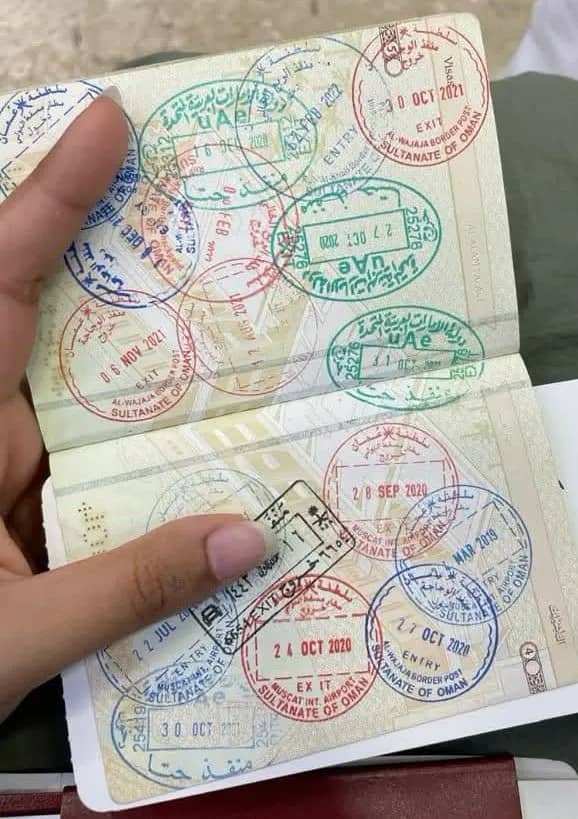
If you’ve ever planned an international trip, you’ve probably come across two terms that are often used interchangeably: passport and visa. While they are both essential travel documents, they serve completely different purposes. Understanding the difference can save you time, prevent costly mistakes, and ensure your journey goes as smoothly as possible.
Whether you’re travelling for business, tourism, education, or to visit loved ones, knowing when you need a passport, when you need a visa, and how they work together is the first step toward a stress-free travel experience.
What Is a Passport?
A passport is an official government-issued document that verifies your identity and nationality. It serves as your primary form of identification when travelling internationally and is issued by the country of which you are a citizen.
Think of your passport as your international identity card. It tells foreign governments who you are, where you’re from, and confirms that your home country recognizes you as one of its citizens.
A typical passport contains:
- Your full name
- Date of birth
- Nationality
- Passport number
- Photograph
- Signature
- Date of issue and expiry
Without a valid passport, you generally cannot leave your home country or enter another country.
What Is a Visa?
A visa is an official authorization granted by a foreign country that allows you to enter, stay, or transit through its territory for a specific purpose and duration.
Unlike a passport, a visa is not an identity document. Instead, it is permission from the destination country that says, “You are allowed to enter under these conditions.”
Depending on the country, visas may be:
- A sticker placed inside your passport
- An electronic visa (eVisa)
- A digital travel authorization linked to your passport
Visas usually specify:
- The purpose of your visit (tourism, business, study, work, etc.)
- The number of entries allowed
- The length of stay
- The validity period
Passport vs. Visa: The Key Differences
Although both are required for international travel in many cases, they have very different functions.
- While passport is issued by your own country, visa is issued by the country you want to visit.
- Passport confirms your identity and nationality while a visa grants permission to enter another country.
- Passport is used for all international travel. Visa is necessary only for countries that have visa requirements.
- A passport is usually valid for several years, whereas, visa is valid for a specific trip or limited period.
The simplest way to remember the difference is this:
Your passport tells the world who you are. Your visa tells a country whether you’re allowed to enter.
Do You Always Need Both?
Not necessarily.
Some countries have visa-free agreements, allowing travelers from certain nationalities to enter without obtaining a visa beforehand. Others may offer visas on arrival or electronic visas that can be obtained online before travel.
For example, depending on your nationality, you may be able to travel to several countries using only a valid passport. However, many destinations still require you to obtain a visa before departure.
This is why it’s essential to check the latest entry requirements before booking your flight.
Different Types of Visas
The type of visa you need depends on the purpose of your trip. Some of the most common include:
Tourist Visaor holidays, sightseeing, and visiting friends or family.
Business Visa: for attending meetings, conferences, negotiations, or business-related events.
Student Visa: issued to individuals pursuing academic studies abroad.
Work Visa: allows foreign nationals to live and work legally in another country.
Transit Visa: required by some countries when passing through on your way to another destination.
Each visa has different requirements, processing times, and conditions, so it’s important to apply for the correct one.
Common Passport and Visa Mistakes to Avoid
Many travelers experience delays—or even denied boarding—because of avoidable mistakes. Here are some of the most common:
- Travelling with a passport that is close to expiring. Many countries require at least six months’ validity beyond your travel dates.
- Assuming every country has the same visa rules.
- Applying for the wrong visa category.
- Waiting until the last minute to apply for a visa.
- Forgetting that visa processing times can vary from a few days to several weeks.
- Not checking whether multiple-entry or single-entry visas are required.
A little preparation can save you significant stress later.
Why Professional Travel Assistance Matters
Visa requirements can change without much notice, and every country has its own application process, supporting documents, and eligibility criteria.
Working with an experienced travel agency can make the process much easier. From helping you understand entry requirements to guiding you through documentation, appointment scheduling, and application procedures, professional support reduces the chances of delays or rejection due to avoidable errors.
Instead of navigating complex requirements alone, you can focus on planning the exciting parts of your journey.
Final Thoughts
A passport and a visa may go hand in hand, but they are far from the same thing. Your passport proves your identity and nationality, while your visa gives you permission to enter another country.
Understanding this difference is one of the most important steps in international travel planning. Before every trip, ensure your passport is valid, verify the visa requirements for your destination, and begin your application process early to avoid unnecessary complications.
At Global Convoy Travels and Tours, we’re committed to making international travel simple, seamless, and stress-free. Whether you need assistance with passport applications, visa processing, travel documentation, or complete travel planning, our experienced team is here to guide you every step of the way.
Because every unforgettable journey begins with the right documents.