
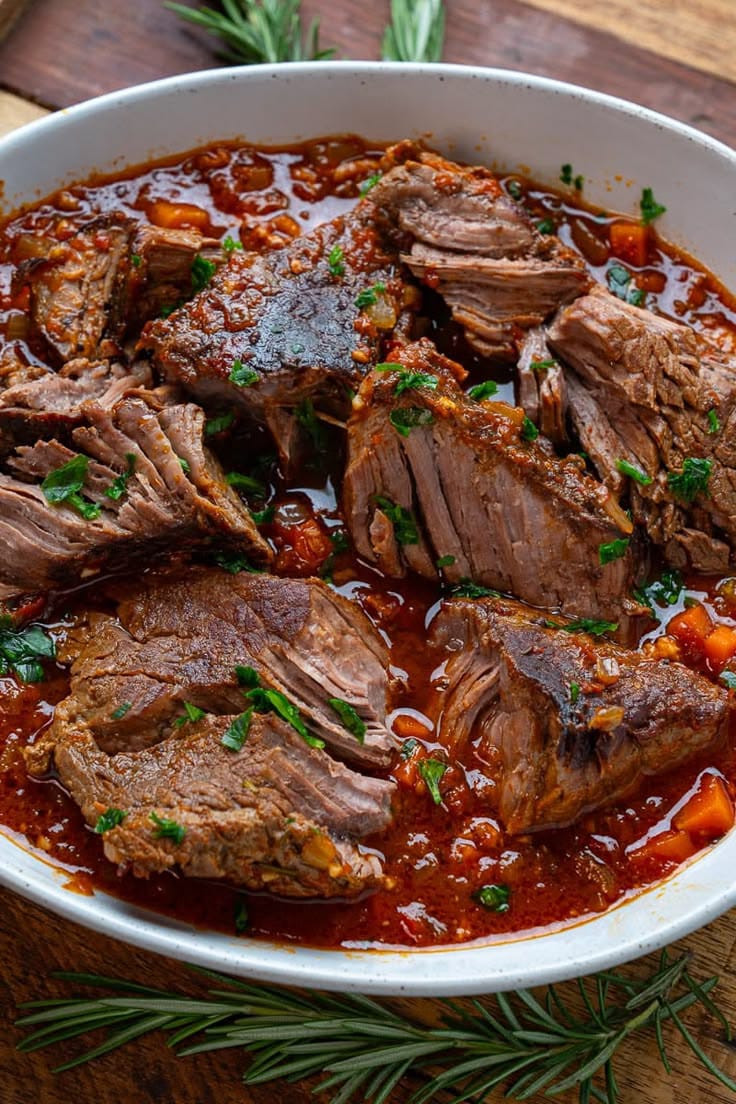
Travel is often associated with breathtaking landscapes, iconic landmarks, and unforgettable adventures. Yet, one of the most authentic ways to experience a destination is through its food. Every dish tells a story, every ingredient reflects the land, and every meal offers a glimpse into the culture, traditions, and history of a place. This is the essence of food travel—a journey where every bite becomes part of the adventure.
In recent years, food tourism has become one of the fastest-growing travel trends worldwide. Travelers are no longer satisfied with simply seeing famous attractions; they want to taste local flavors, learn traditional cooking methods, and experience destinations through their culinary heritage. Whether it’s enjoying freshly made pasta in Italy, savoring spicy street food in Thailand, or sharing a traditional barbecue in Argentina, food creates memories that last long after the trip ends.
What Is Food Travel?
Food travel, also known as culinary tourism or gastronomic tourism, is the act of exploring destinations through their local cuisine. It goes beyond dining at restaurants—it involves discovering markets, tasting regional specialties, attending food festivals, taking cooking classes, and meeting the people who preserve generations-old recipes.
Every destination has a unique culinary identity shaped by its geography, climate, history, and culture. Experiencing these local flavors allows travelers to connect with a place on a much deeper level than sightseeing alone.
Why Food Is an Essential Part of Travel
- Food Tells the Story of a Destination
Every traditional dish has a history. Ingredients often reflect the region’s natural resources, while recipes reveal cultural influences passed down through generations. A bowl of ramen in Japan, a tagine in Morocco, or a plate of jollof rice in West Africa each represents centuries of tradition and identity.
- It Creates Authentic Cultural Experiences
Eating where locals eat offers a more genuine experience than many tourist attractions. Visiting family-owned restaurants, neighborhood cafés, and bustling street food markets allows travelers to experience daily life firsthand.
Food also serves as a universal language. Even when travelers don’t speak the local language, sharing a meal often creates meaningful connections with people from different backgrounds.
- It Supports Local Communities
Choosing locally owned restaurants, food vendors, farms, and markets directly benefits local economies. Culinary tourism helps preserve traditional recipes, supports small businesses, and encourages sustainable tourism by keeping cultural heritage alive.
Must-Visit Food Destinations Around the World
ITALY: A Celebration of Simplicity
Italian cuisine proves that simple ingredients can create extraordinary meals. Fresh pasta, authentic pizza, creamy risotto, and handcrafted gelato are just a few of the country’s culinary treasures. Regions such as Tuscany, Sicily, and Emilia-Romagna each offer distinct flavors and specialties.
JAPAN: Precision Meets Tradition.
Japanese cuisine is admired for its balance, freshness, and presentation. From sushi and ramen to tempura and matcha desserts, every meal reflects attention to detail and respect for seasonal ingredients.
THAILAND: The Perfect Balance of Flavors.
Thailand is famous for combining sweet, sour, salty, and spicy flavors in perfect harmony. Bangkok’s vibrant street food scene, floating markets, and traditional curries make it one of the world’s top culinary destinations.
MEXICO: A UNESCO Culinary Treasure
Mexican cuisine blends indigenous traditions with Spanish influences. Tacos, tamales, mole, fresh seafood, and colorful local markets offer an unforgettable culinary adventure.
FRANCE: The Home of Fine Dining
France has long been celebrated for its culinary excellence. Beyond Michelin-starred restaurants, travelers can enjoy artisan bakeries, local cheeses, regional wines, and charming cafés that define everyday French life.
NIGERIA: The Soul of African Cuisine
Nigeria offers a culinary journey where every bite celebrates culture, community, and unforgettable flavors. From smoky suya and rich jollof rice to hearty soups like ogbono, groundnut soup, and vibrant street food.
Unique Food Experiences Worth Trying
Food travel isn’t just about eating—it’s about participating.
Some unforgettable culinary experiences include:
- Taking a pasta-making class in Italy.
- Visiting a tea plantation in Sri Lanka.
- Marrakesh International Food Festival in Morocco.
- Learning sushi-making from local chefs in Japan.
- Exploring floating food markets in Thailand.
- Joining a vineyard tour in South Africa.
- Attending Oktoberfest in Germany.
- Sampling traditional street food in Vietnam.
- Visiting spice farms in Zanzibar.
- Attending African Food & Drinks Festival in Nigeria.
These experiences allow travelers to understand not just how food is prepared, but why it matters to the people who make it.
Tips for Food Travelers
To make the most of your culinary journey:
- Research local specialties before you travel.
- Don’t be afraid to try something new.
- Visit local markets instead of relying only on restaurants.
- Eat where locals gather.
- Learn basic food-related phrases in the local language.
- Respect local dining customs and etiquette.
- Inform vendors or restaurants about any food allergies in advance.
- Stay hydrated and choose hygienic food vendors, especially when enjoying street food.
The Rise of Food Tourism

Social media has transformed the way people discover destinations. A single photo of colorful street food, a beautifully plated meal, or a hidden café can inspire thousands of travelers to visit a destination.
Governments and tourism boards have also embraced culinary tourism by organizing food festivals, promoting regional dishes, and supporting local producers. As travelers seek more meaningful experiences, food has become one of the strongest reasons people choose one destination over another.
Food as a Bridge Between Cultures
One of the greatest gifts of food travel is its ability to bring people together. Sharing a meal creates conversations, friendships, and understanding across cultures. It reminds us that while languages, traditions, and customs may differ, the joy of good food is something people around the world have in common.
A simple meal can reveal the values, history, and hospitality of an entire community. It transforms travel from simply visiting a place into truly experiencing it.
Closing Remark
Food is far more than fuel—it’s culture served on a plate. Every destination has its own flavors waiting to be discovered, from family recipes passed down through generations to innovative dishes that reflect modern creativity.
The next time you plan a trip, don’t just make a list of places to see. Make a list of foods to taste, markets to explore, and culinary traditions to experience. You may discover that your most unforgettable travel memories aren’t made at famous landmarks, but around a table shared with locals, enjoying a meal that tells the story of a destination.
After all, the quickest way to understand a culture isn’t always through its monuments—it’s through its kitchen.