
By: Ephraim Success
Airport security can be one of the most stressful parts of any journey. Long queues, baggage scans, and unexpected inspections often leave travellers wondering why perfectly ordinary items are suddenly considered prohibited. It can be frustrating to watch a favourite toiletry, souvenir, or personal item disappear into a security bin, especially if you had no idea it wasn’t allowed.
The truth is that airport security rules are not designed to inconvenience travellers. They exist to protect passengers, airline crews, airport staff, and aircraft by reducing potential risks. Understanding why certain items are restricted can save you time, money, and unnecessary stress before your next flight.
The Purpose of Airport Security
Every airport follows strict security procedures based on international aviation standards and national regulations. These measures are intended to prevent dangerous objects or substances from being carried onto an aircraft.
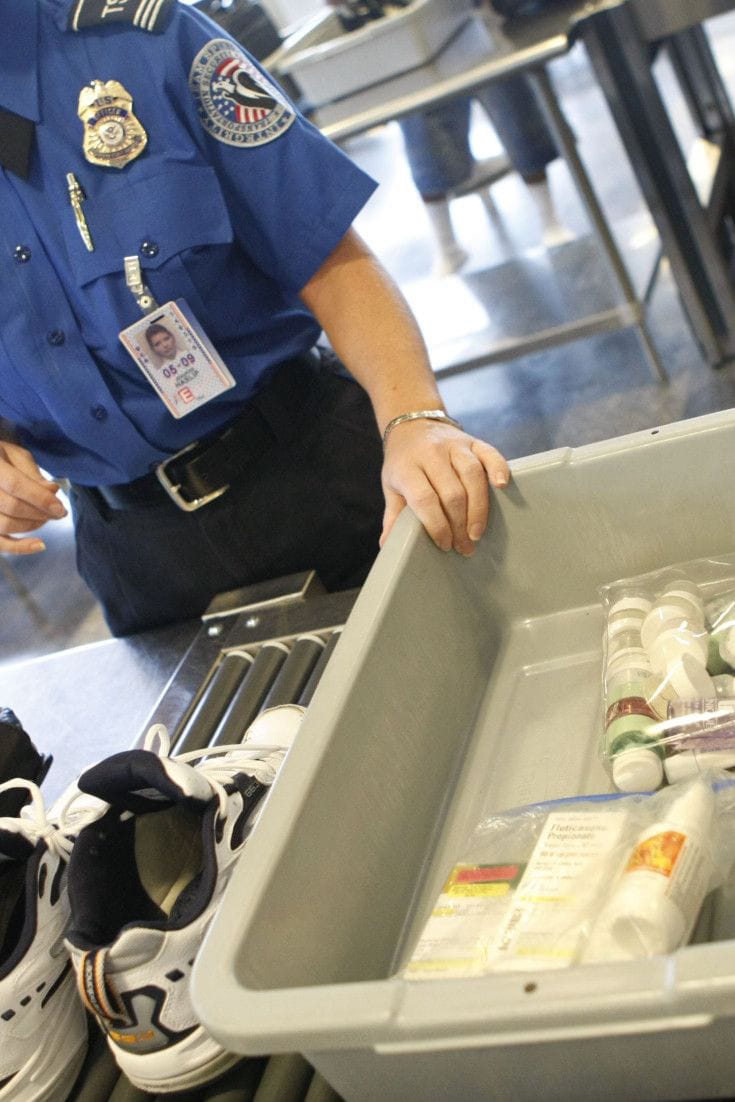
Security officers screen passengers, carry-on baggage, and checked luggage using advanced technologies such as X-ray scanners, explosive detection systems, and body scanners. While procedures may vary slightly from one country to another, the primary objective remains the same: ensuring that every flight departs safely.
Why Liquids Are Restricted
One of the most misunderstood airport rules concerns liquids in carry-on baggage.
In many countries, passengers are only permitted to carry liquids, gels, creams, aerosols, and pastes in containers of up to 100 ml (3.4 oz). These containers must usually fit inside a single transparent, resealable bag with a maximum capacity of one litre.
This rule was introduced after authorities uncovered terrorist plots involving liquid explosives. Because airport security equipment cannot always quickly distinguish harmless liquids from dangerous substances, limiting container sizes reduces potential risks while allowing travellers to carry essential personal items.
Items affected include:
- Water and soft drinks
- Perfumes and colognes
- Lotions and moisturisers
- Shampoo and conditioner
- Toothpaste
- Hair gel and styling products
- Sunscreen
- Liquid makeup
If a container exceeds the permitted limit, it may be confiscated even if it is only partially full.
Sharp Objects and Why They Are Prohibited
Objects with sharp edges can potentially be used as weapons inside an aircraft cabin. For this reason, security officers generally prohibit many sharp items from carry-on luggage.
Common examples include:
- Large scissors
- Utility knives
- Box cutters
- Razor blades (except certain approved safety razors)
- Multi-tools with blades
- Ice picks
- Metal darts
Many of these items are allowed in checked baggage, provided they are packed safely according to airline guidelines.
Sporting Equipment
Sports equipment often attracts additional screening because many items are heavy, rigid, or capable of causing injury.
Items commonly prohibited in cabin baggage include:
- Baseball bats
- Golf clubs
- Cricket bats
- Hockey sticks
- Ski poles
- Martial arts equipment
Travellers planning sporting holidays should always check their airline’s baggage policies before arriving at the airport.
Tools and Work Equipment
Professional tools are another category frequently confiscated at security checkpoints.
Examples include:
- Hammers
- Screwdrivers above permitted lengths
- Wrenches
- Drills
- Pliers
- Crowbars
Although these items may seem harmless in everyday life, they could potentially be misused onboard an aircraft.
Fire, Heat, and Flammable Materials
Items capable of producing fire or intense heat receive careful attention during screening.
These include:
- Fuel containers
- Fireworks
- Gas canisters
- Torch fuel
- Paint thinner
- Certain camping fuels
Lithium batteries are also subject to specific regulations because damaged batteries can overheat and cause fires. Airlines often require spare lithium batteries and power banks to be carried in hand luggage rather than checked baggage, where any overheating can be detected and addressed more quickly.
Food Items Can Also Be Restricted
Many travellers are surprised to learn that food can sometimes create problems during security screening or upon arrival in another country.
Soft cheeses, sauces, soups, jams, honey, yoghurt, and similar products may be treated as liquids if carried through security.
Fresh fruits, vegetables, meat, dairy products, and seeds may also be restricted when entering certain countries due to biosecurity laws designed to prevent pests and diseases from affecting local agriculture and ecosystems.
Always review the customs regulations of your destination before packing food items.
Medical and Baby Essentials
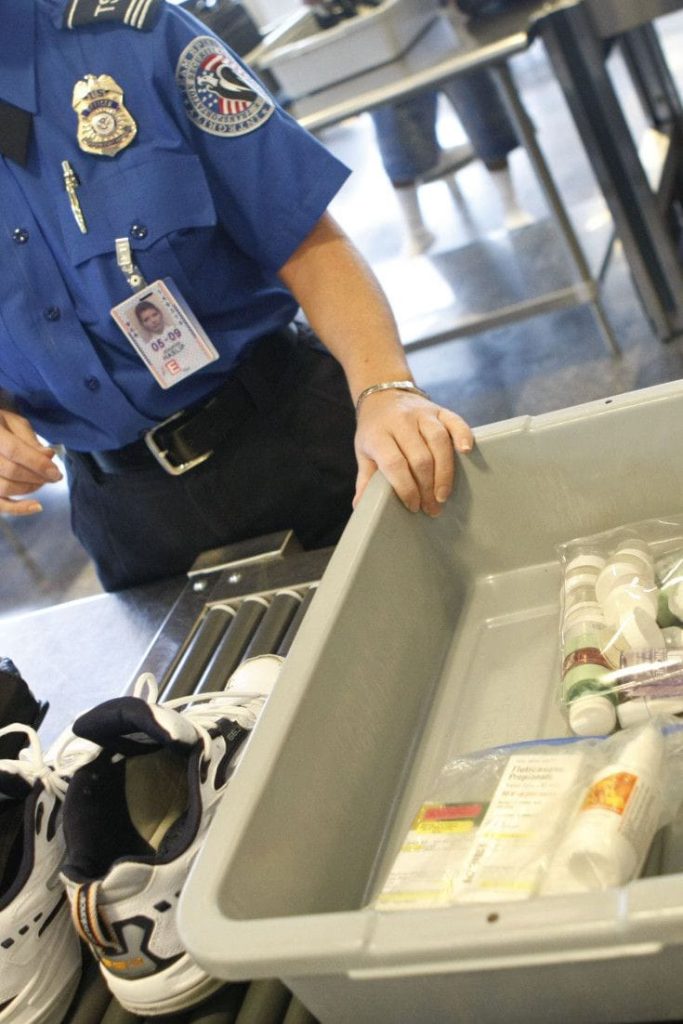
Fortunately, airport security recognises that some travellers have essential needs.
Most airports make allowances for:
- Prescription medication
- Essential medical equipment
- Baby formula
- Breast milk
- Baby food
- Medically necessary liquids
Passengers may be asked to declare these items or provide supporting documentation, such as a prescription or doctor’s letter, particularly for larger quantities of medication or liquid medical supplies.
Why Souvenirs Sometimes Get Confiscated
Even after a wonderful holiday, some souvenirs may not be allowed through airport security.
Examples include:
- Decorative knives and swords
- Replica weapons
- Fireworks
- Certain chemicals
- Oversized snow globes containing liquid
- Animal products prohibited by wildlife protection laws
Travellers should verify whether a souvenir is permitted before purchasing it, especially if they intend to carry it onboard.
Common Mistakes Travellers Make
Many airport delays happen because passengers unknowingly pack restricted items.
Some of the most common mistakes include:
- Forgetting a pocket knife inside a backpack
- Carrying oversized toiletries in hand luggage
- Leaving bottled water inside a carry-on bag
- Packing power banks in checked baggage
- Bringing sharp manicure tools onboard
- Assuming airport rules are identical in every country
Taking a few minutes to check the regulations before travelling can prevent unnecessary delays and inconvenience.
Tips to Pass Through Security Smoothly
A little preparation can make airport security much less stressful.
Before travelling:
- Review your airline’s baggage policies.
- Check the security regulations at your departure airport.
- Pack liquids in a transparent resealable bag.
- Place laptops and large electronic devices where they are easy to remove if required.
- Empty your pockets before reaching the screening area.
- Arrive early to allow enough time for security procedures.
- Keep travel documents within easy reach.
Final Thoughts
Airport security may sometimes seem strict, but every rule has a purpose rooted in passenger safety. Understanding why certain items are restricted helps travellers pack more efficiently, move through security faster, and avoid the disappointment of having personal belongings confiscated.
A little preparation before leaving home can make the beginning of your journey far smoother, allowing you to focus on what really matters—enjoying your travels with confidence and peace of mind.