
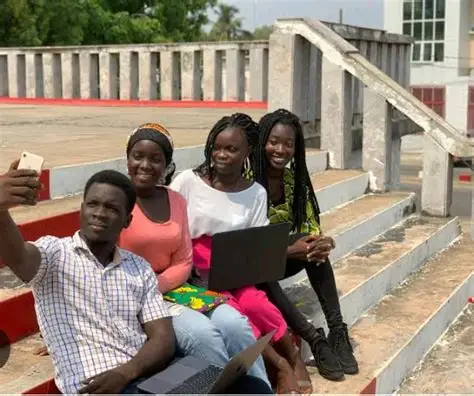
In today’s hyperconnected world, social media has become more than just a platform for sharing selfies and status updates it is now a powerful influencer of lifestyle choices, including travel. For young Nigerians, social media platforms like Instagram, TikTok, Twitter (X), and YouTube are not only sources of entertainment but also digital compasses shaping how, where, and why they travel. This generational shift is redefining the Nigerian travel culture in unprecedented ways.
The Rise of the “Social Media Traveler”
Young Nigerians typically between the ages of 18 and 35 make up a digitally active demographic that is constantly plugged into global conversations. Their travel aspirations are often sparked by the content they consume online: travel vlogs, influencer posts, scenic destinations trending on Instagram, and even Twitter threads detailing budget-friendly trips.
Social media has effectively democratized travel. It has removed the gatekeeping once imposed by expensive travel brochures or travel agents, replacing them with peer generated content. Seeing someone who “looks like me” travel on a budget to Obudu Cattle Ranch, Cape Town, or even Zanzibar can make the idea of travel feel attainable and inspiring.
Instagrammability and Destination Choice
For many young Nigerians, the “Instagrammability” of a location its visual appeal and potential for viral photos plays a central role in deciding where to go. A waterfall in Ekiti, a beach in Lagos, or the iconic streets of Marrakech might not have made it onto their radar were it not for aesthetically curated posts from influencers and travel bloggers.
Destinations like Seychelles, Ghana’s Cape Coast, and Dubai have become hotspots, in part because of the visibility they receive on platforms like Instagram and TikTok. The more photogenic and share-worthy a place appears online, the more likely it is to attract young Nigerian travelers.
Influencers and Peer Recommendations
Social media influencers wield considerable power in shaping travel narratives. Nigerian travel influencers such as @thefemalebackpacker, @dtravelbuff, and @naijanomads often provide travel tips, budget breakdowns, and safety advice that help demystify both local and international travel. These digital storytellers make travel feel less intimidating and more accessible.
In addition, user-generated content reviews, tweets, Instagram stories often serves as a trusted source of information. Young Nigerians are more likely to trust the travel experience of someone they follow online than a traditional advertisement.
FOMO and the Psychology of Travel
The “Fear of Missing Out” (FOMO) is a subtle but significant driver of travel decisions among Nigerian youth. When peers post pictures from vacations in Accra, Nairobi, or Santorini, it often creates a desire to have similar experiences. This social pressure sometimes unconscious can push young people to plan trips they might not have considered otherwise.
FOMO also influences timing. Many young Nigerians try to align their travel plans with festive seasons like Detty December or global events like Afrobeats concerts abroad to be part of online trends and conversations.
Local Tourism Gets a Boost
Interestingly, social media is not only promoting international travel it’s also reviving interest in local Nigerian tourism. Places like Kajuru Castle in Kaduna, Erin Ijesha Waterfalls in Osun, and the Lekki Conservation Centre in Lagos have gained popularity largely because of exposure on Instagram and travel vlogs. This renewed interest supports local economies and encourages cultural pride.
Challenges and Pitfalls
However, there are downsides. The curated nature of social media can create unrealistic travel expectations, leading to disappointment when reality doesn’t match the posts. There’s also pressure to overspend for the sake of aesthetics or to travel even when it’s financially unwise.
Furthermore, influencer driven travel content sometimes glosses over issues like visa difficulties, security concerns, or travel scams, especially when traveling within or out of Nigeria. This can lead to under-informed travel decisions.
Conclusion
Social media has undeniably transformed how young Nigerians approach travel. From influencing destination choices to providing real time travel tips and reviews, platforms like Instagram and TikTok are shaping a new, visually driven travel culture. While the trend brings with it increased global awareness and opportunities for exploration, it also demands a level of discernment and realism from travelers.
As the digital world continues to evolve, so too will the ways in which Nigerian youth experience and define travel. What remains clear is that social media will continue to play a central role in mapping their journeys both real and aspirational.